• 1 October, 2026

    Blog

    Feet firmly on the ground, eyes on the future

    How automation is helping agricultural businesses prepare for the next generation

    An interview with: Henk Jan van Pijkeren

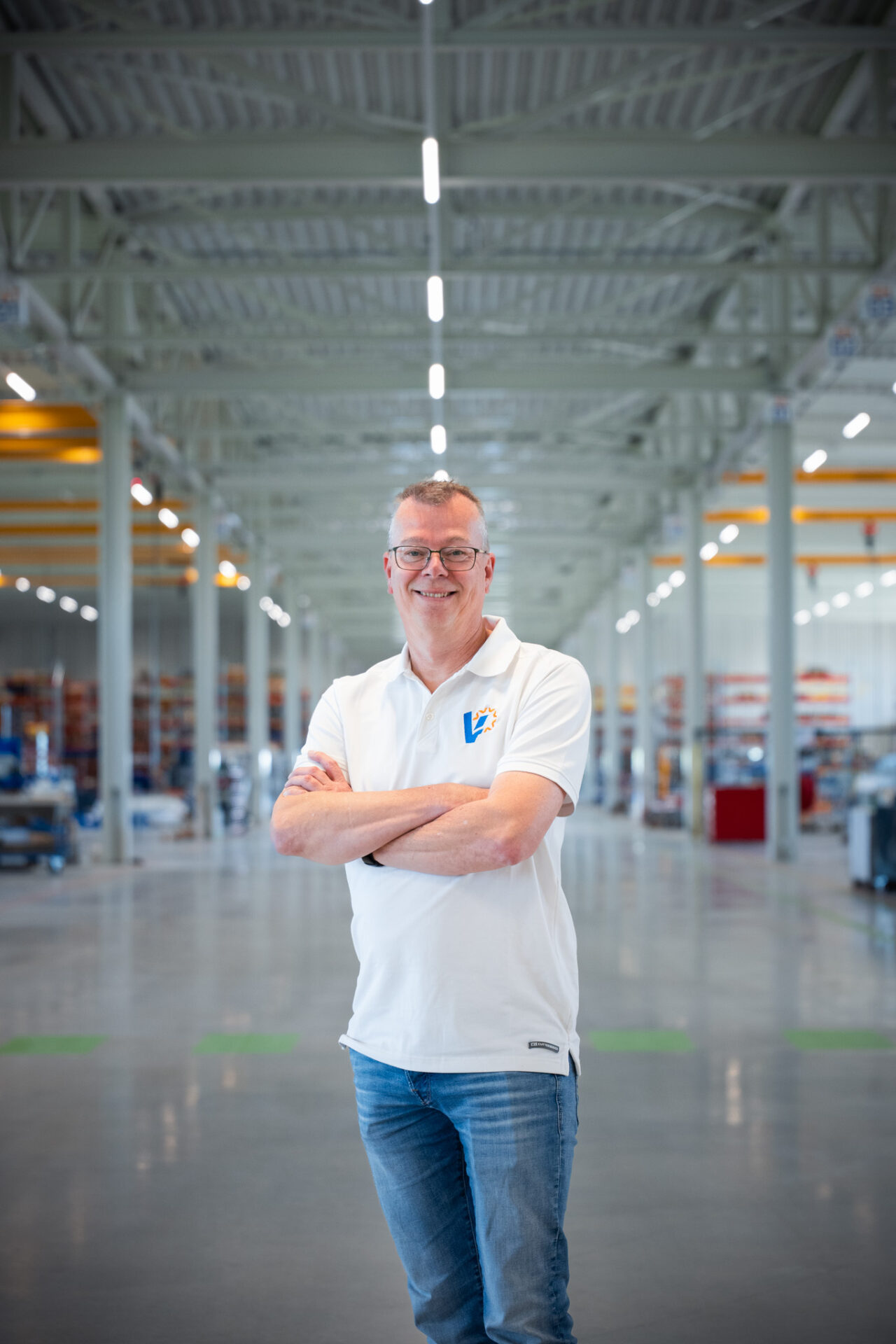
The agricultural sector is changing rapidly. Labor is becoming scarcer and more expensive, a new generation of entrepreneurs is taking over, and automation is becoming increasingly important. According to Henk Jan van Pijkeren, Sales Solutions Engineer at Verbruggen Palletizing Solutions, this calls for one thing above all: looking beyond today’s investment. “Think carefully about where you want to be twenty years from now. Automation is not just about reducing manual labor; it is about making your entire business future-proof.”

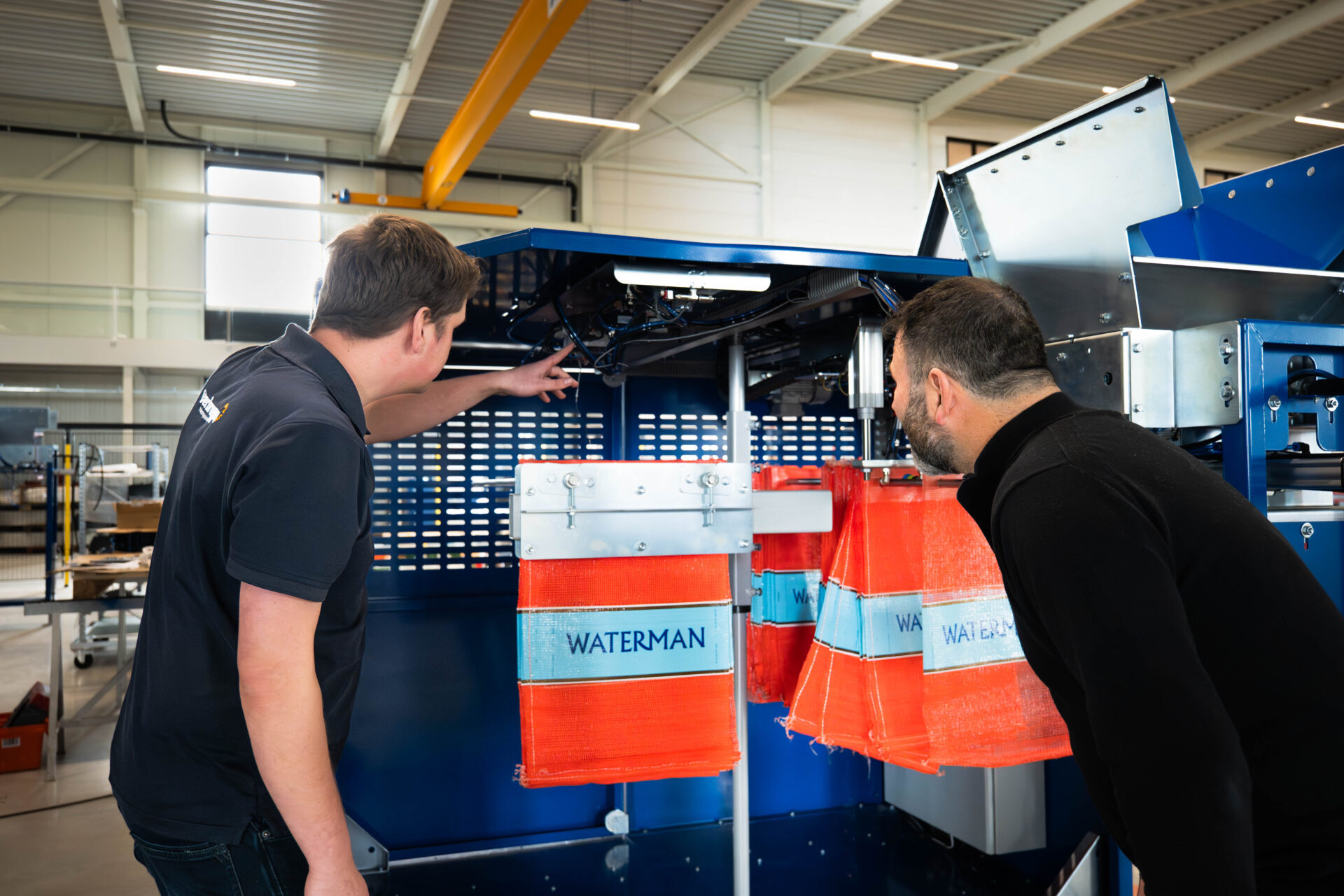
Henk Jan knows Verbruggen inside and out. For many years, he was team leader of the Project Engineering department. When Verbruggen acquired Thomech at the end of last year, adding weighing and packaging solutions to its portfolio, he saw an exciting new opportunity.

“For years, I was right in the middle of the train, and now I get to sit up front. I really enjoy discovering new things and building something from the ground up. In my current role, I provide technical support to Sales, our partners, and customers, while also helping to further expand our dealer network.”

Farming runs in the family

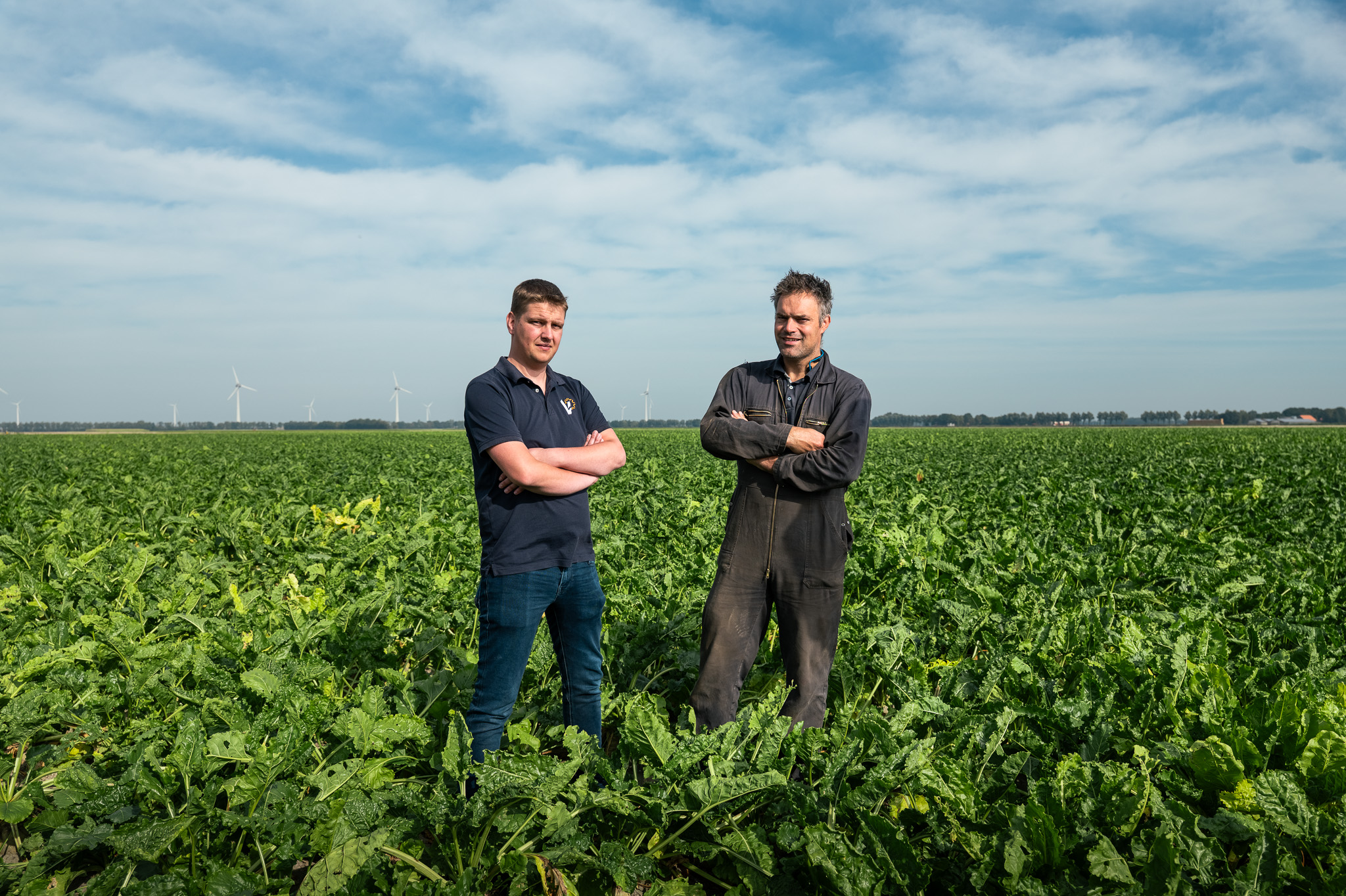
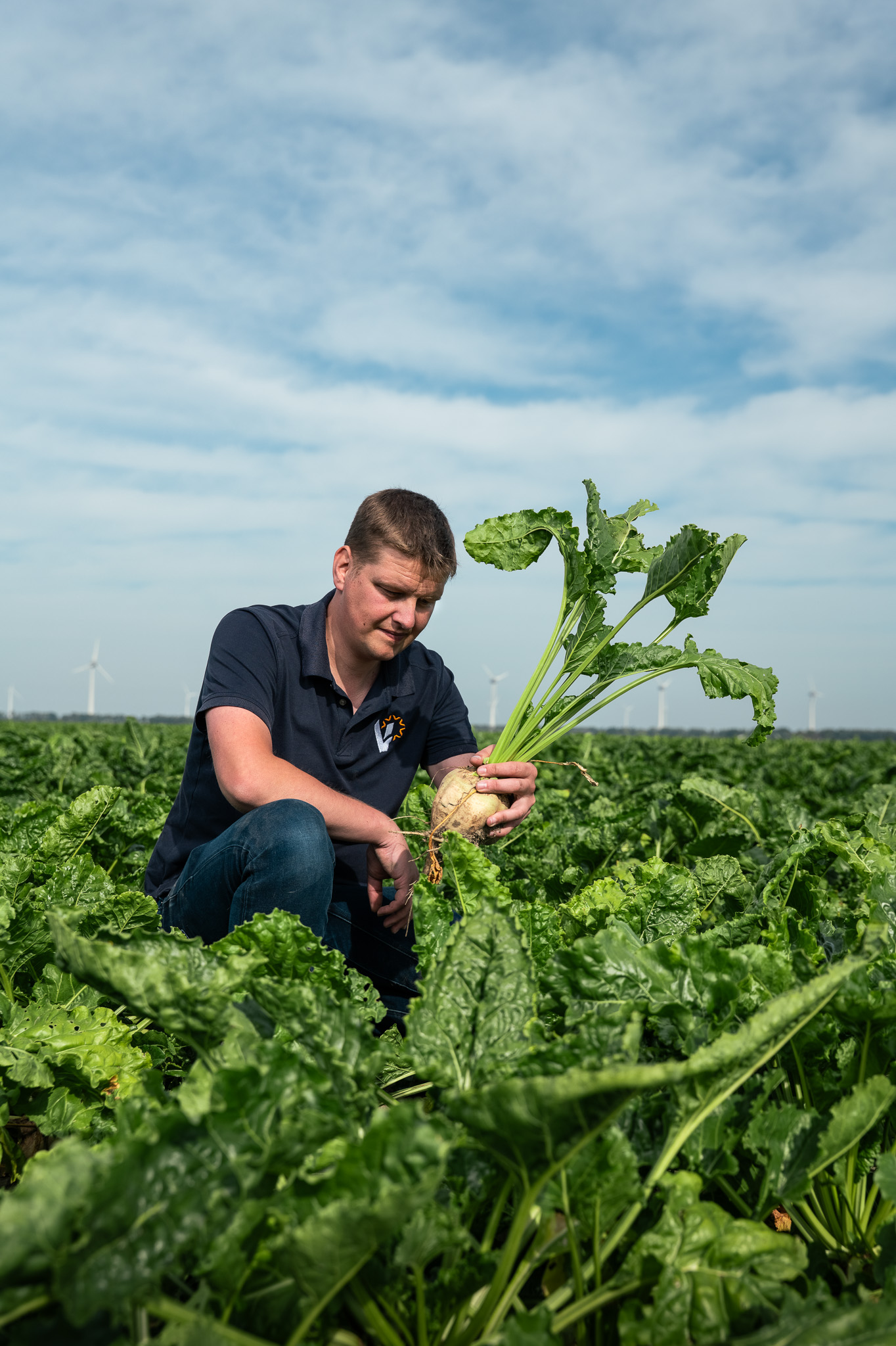
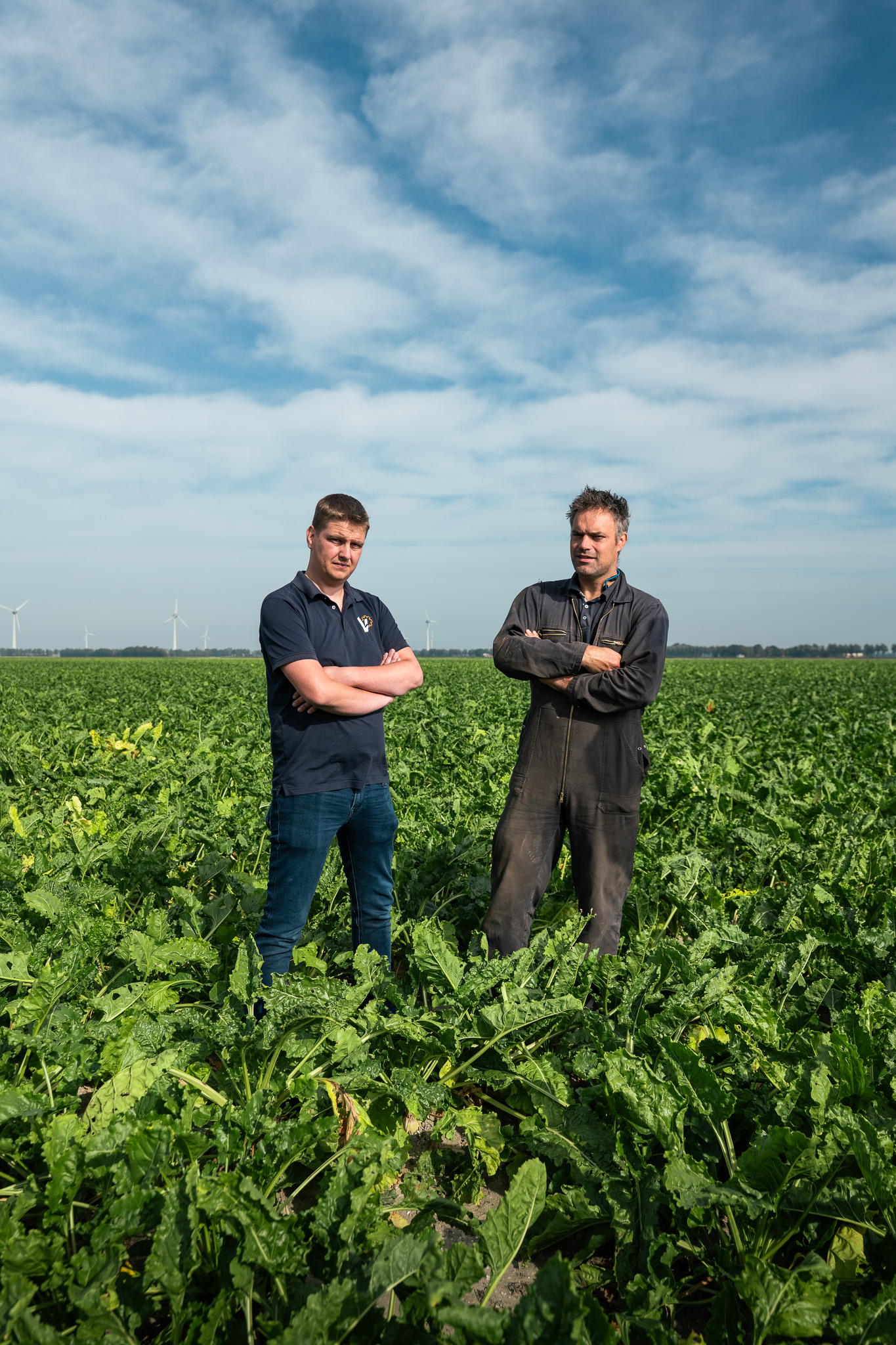
It is no coincidence that Henk Jan focuses primarily on the agricultural market. “Farming runs in my blood,” he says with a smile. “Both of my grandfathers were farmers, my wife’s family has a farm, and I live with my family in the countryside, surrounded by farmland.”

That background makes him feel right at home on the farm. And it is exactly there that he sees just how quickly the sector is changing.

“There is a huge amount of automation taking place in farm buildings. Employees are becoming increasingly difficult to find, and labor costs are rising. That makes the return on investment for automation more attractive than ever. At the same time, automation often helps companies work more consistently while increasing both the speed and quality of their processes.”

A new generation is looking ahead

One of the most important developments Henk Jan sees is the arrival of a new generation of business owners. Sons and daughters are taking over from their parents and taking a fresh look at how the business is organized.

“They are asking themselves: how do we make sure this company can still operate successfully twenty or thirty years from now? Automation is increasingly becoming a natural part of that conversation.”

Other challenges are accelerating that development. Climate change and increasingly unpredictable weather are making farming more complex, while qualified and affordable employees are becoming harder to find.

According to Henk Jan, this means that labor-intensive manual work is becoming increasingly difficult to maintain as a structural part of the production process. “I expect that truly heavy and repetitive manual work will continue to disappear quickly over the next five to ten years.”

Automation does not start with a machine

According to Henk Jan, anyone who starts thinking about automation by immediately looking at a machine is already one step too late.

“One of the things we often see in practice is that companies do not always map out the entire process beforehand. Where do people walk? How do products move through the building? Where are forklifts operating? Which steps can be combined, or organized differently? And what will that process look like if the business has grown further ten years from now?”

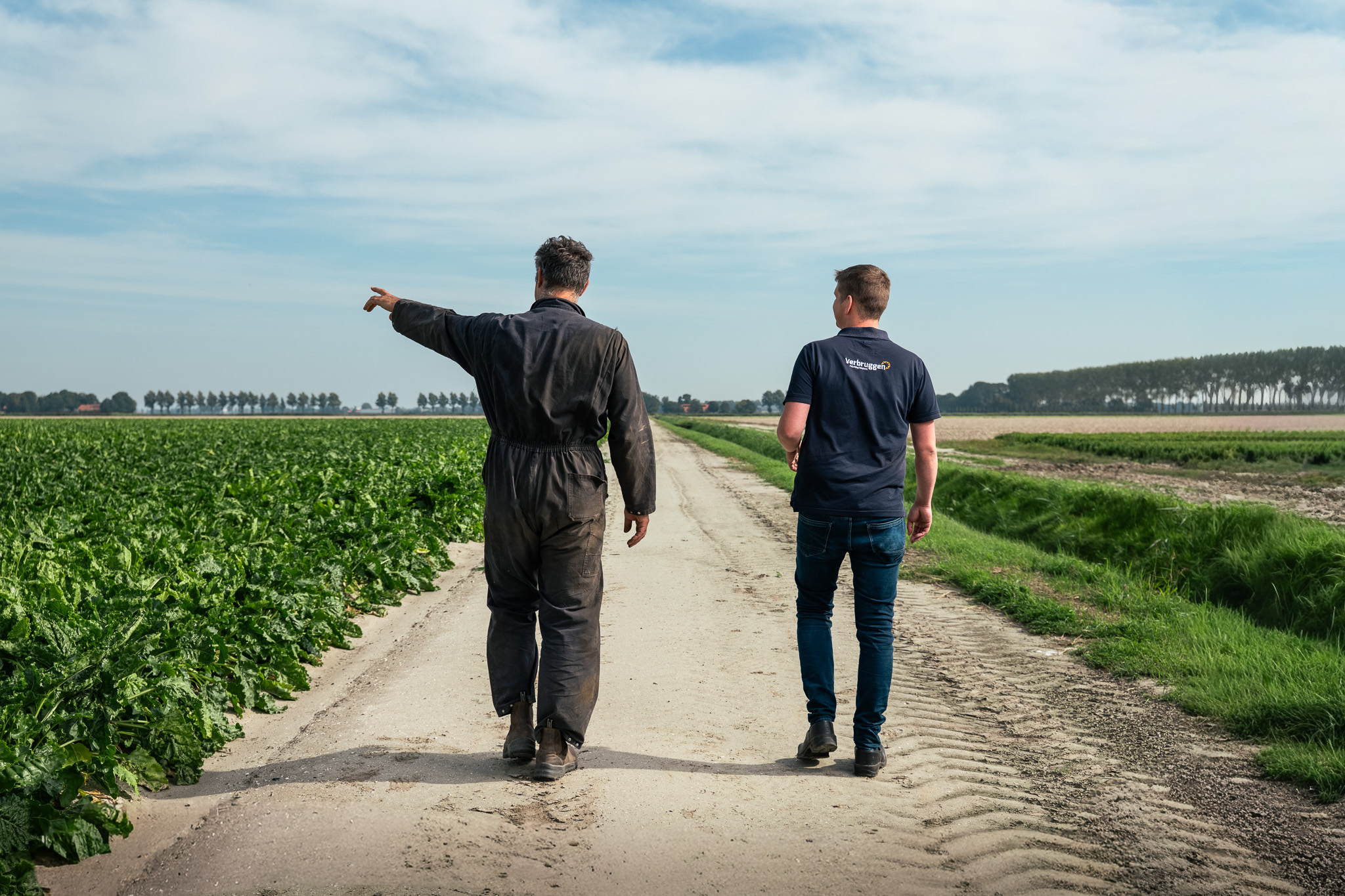
That is exactly why he believes it is so important to literally stay close to the farm and the reality of day-to-day operations.

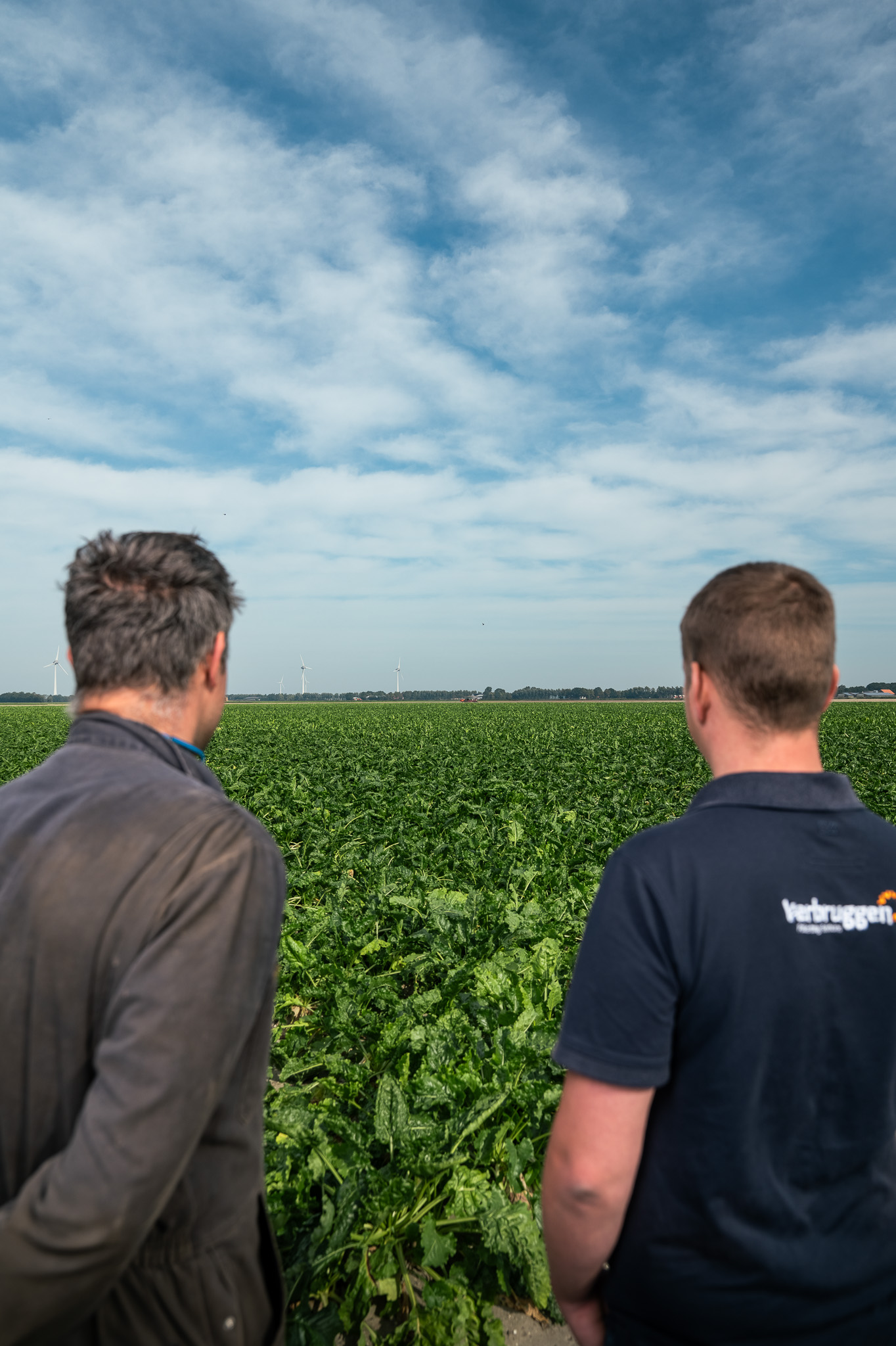
“You should not sit behind a desk and decide what a farmer needs. You have to listen, observe, and ask questions. The business owner knows their operation better than anyone else. From there, you can work together to determine how the process can be organized more efficiently.”

His most important advice to companies looking to invest is therefore simple: think long term.

“Start by carefully determining what you truly need. A solution that looks inexpensive today can become expensive if you have to invest again a few years later because it no longer fits your operation. By looking further ahead, you can actually save a great deal of money.”

“Verbruggen? Aren’t you too big for us?”

During his visits to agricultural companies, Henk Jan notices something else as well. The Verbruggen name is often well known, but not every farmer immediately sees Verbruggen as the right fit for their business.

“That is actually one of the biggest misconceptions. Sometimes we hear: ‘Verbruggen? Aren’t you too big for us?’ But we are very much here for the agricultural market. From smaller seed potato growers to large potato and onion processors.”

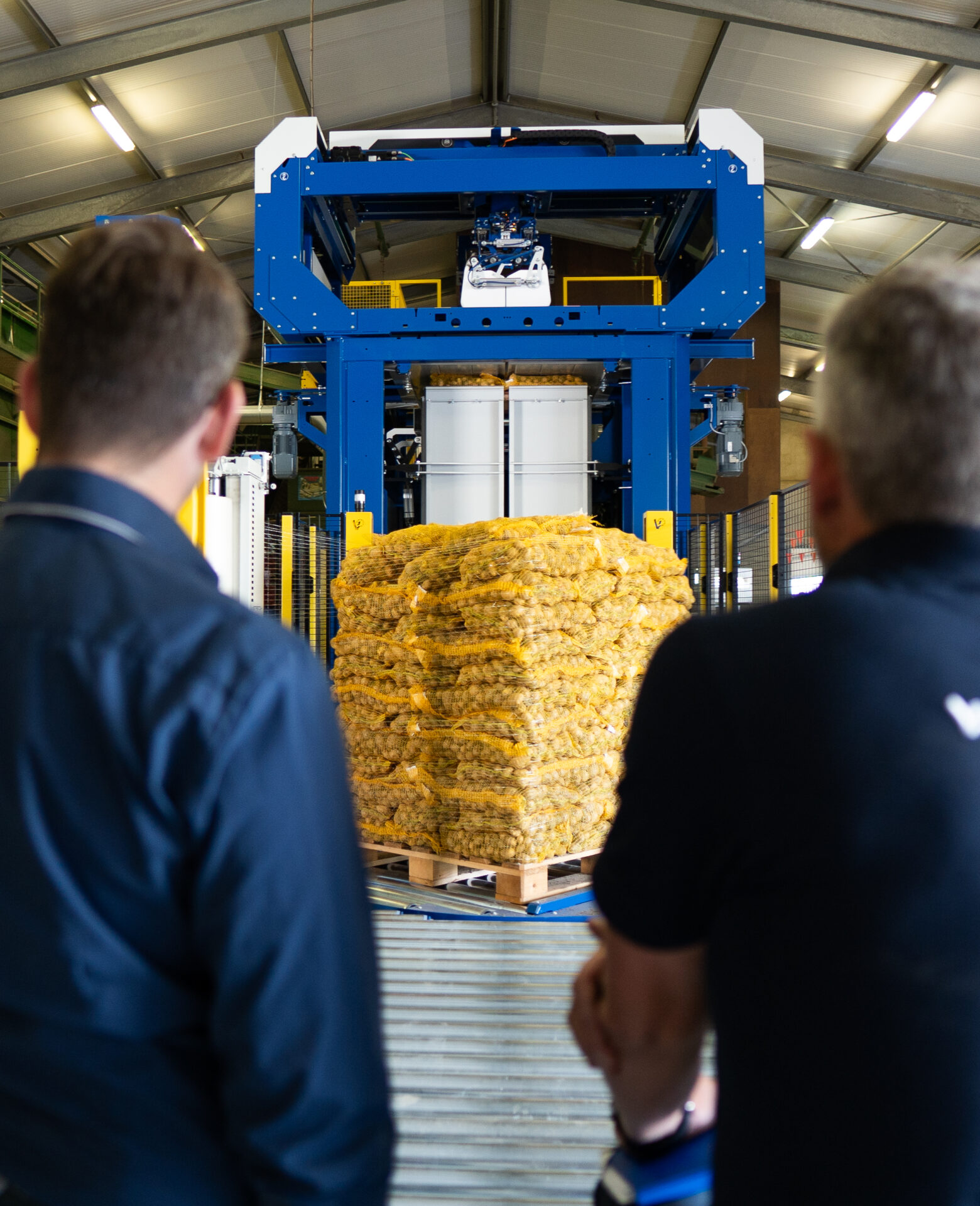
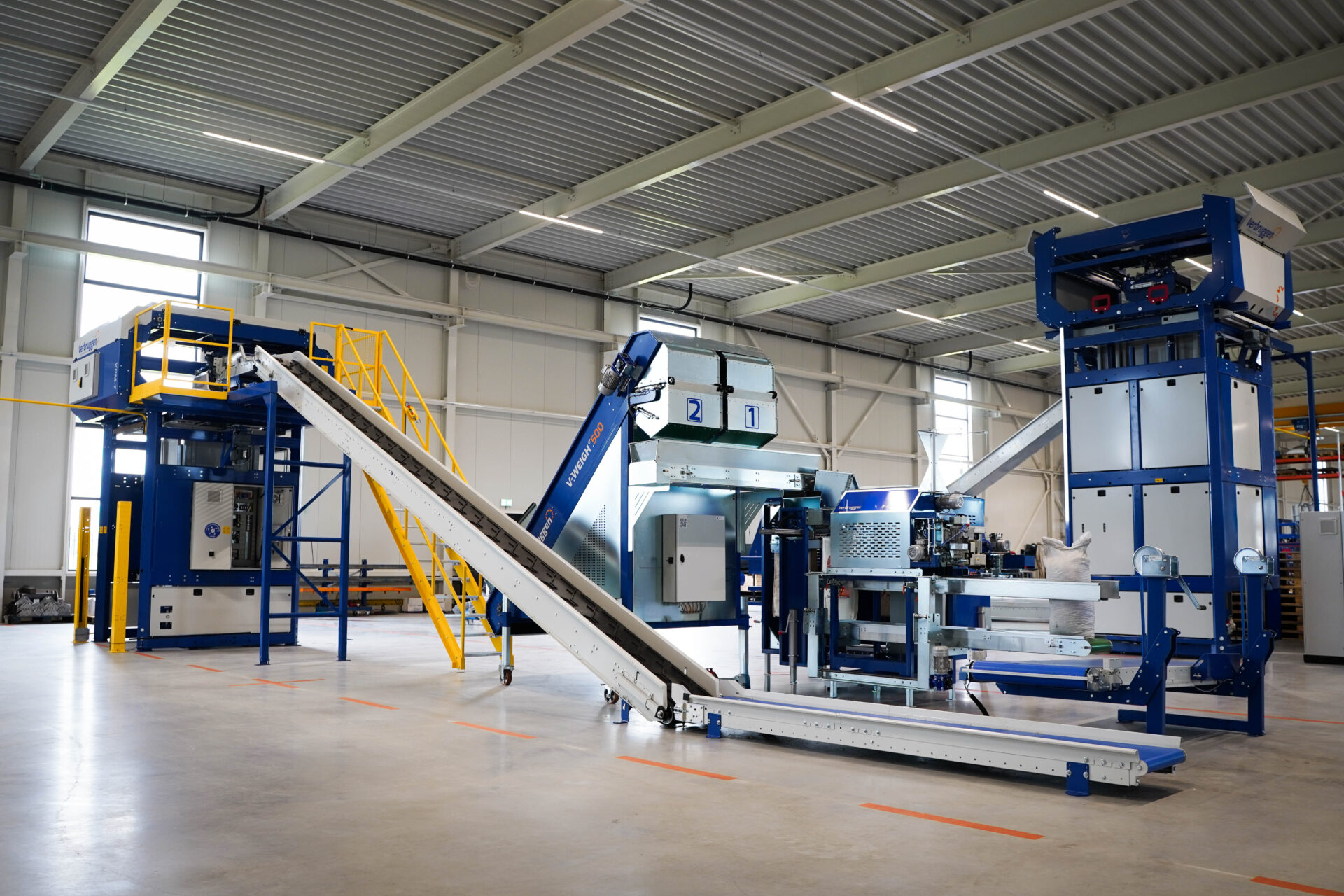
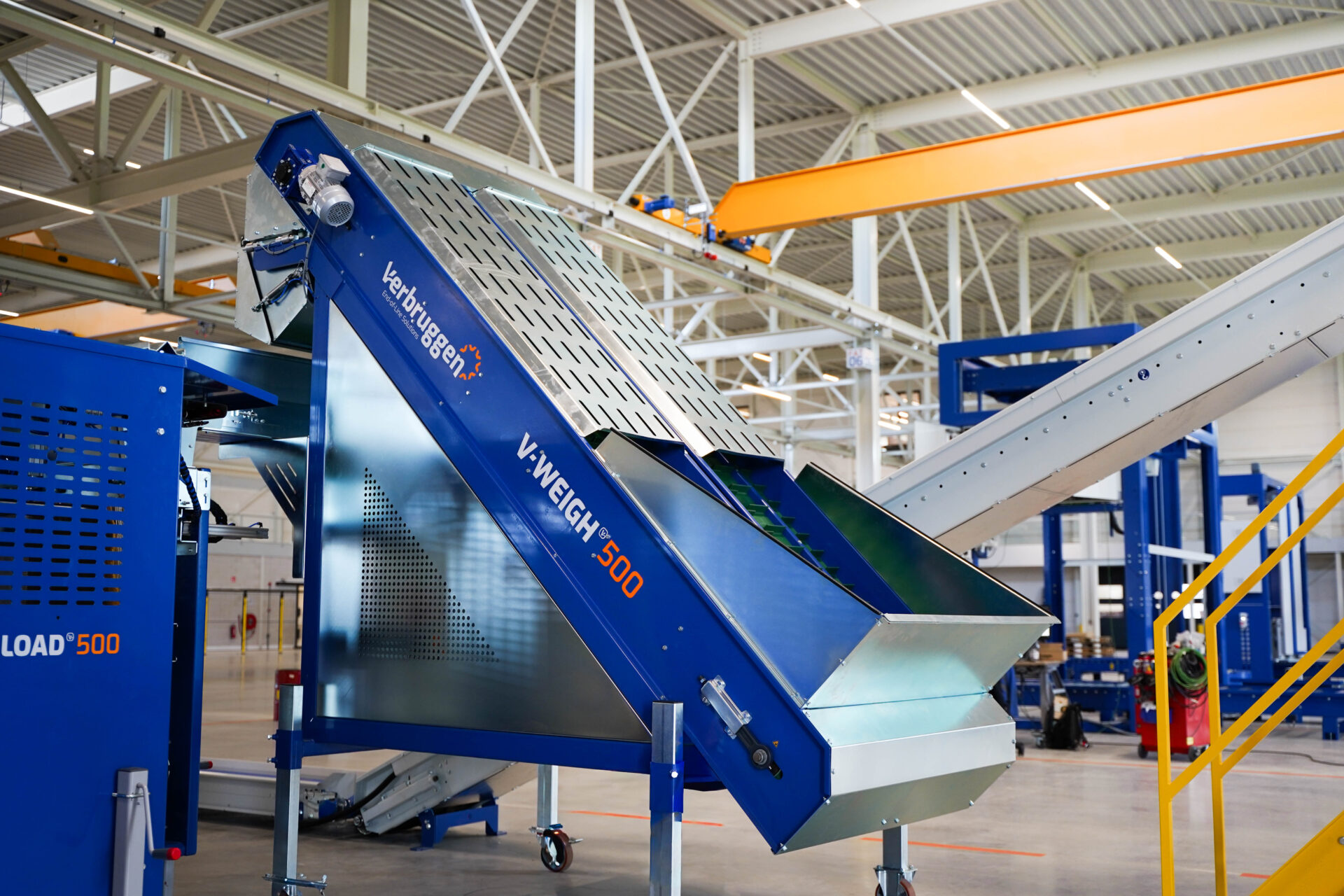
Today, Verbruggen also offers much more than palletizing alone. The company aims to support customers throughout the complete process of weighing, packaging, and palletizing, working with carefully selected partners where needed.

“We want to make the investment process as easy as possible for the customer. It is not simply about installing a machine, but about identifying the complete solution that best fits their process.”

Buying a machine is only the beginning

According to Henk Jan, that commitment does not end once the installation is up and running. A machine should continue to add value for many years.

“That is why we remain involved throughout the machine’s entire life cycle. Through our Life Cycle Program, we support customers with preventive maintenance, remote support, spare parts, software updates, and technical expertise. Customers need to know they can rely on us even after the purchase.”

Good, fast service has become increasingly important, he says. That support does not always have to come directly from Verbruggen. This is exactly why the company continues to invest in an international network of partners and dealers.

“What customers really want to know is: if something happens, will I be helped quickly and properly? Whether that support comes directly from us or from a well-trained local partner is secondary.”

Trust is earned by doing what you say

This touches on something Henk Jan believes is deeply characteristic of Verbruggen. Despite its international growth, the company still feels at its core like the down-to-earth family business it has always been.

“Short lines of communication, the ability to respond quickly, and a willingness to help one another. But above all: continuing until something works properly. With large projects, things do not always go exactly according to plan the first time. When that happens, we do not walk away. We take responsibility for the final result.”

He sums up that mentality in just a few words: do what you say you will do.

“Trust does not come from saying you are reliable. You have to prove it. The best evidence is when customers choose us again. We even see customers who bought a Verbruggen machine, tried another brand afterward, and eventually came back to us. That says a lot.”

From customer need to new solution

For Henk Jan, a project in Texas is a great example of what can happen when a customer and supplier truly work together.

“It involved a large onion producer. The customer asked for exactly the kind of solution we had been discussing internally for years. Together with the customer, we developed an automation solution. Engineering, Sales, the customer — everyone contributed their knowledge, and the whole team gained a tremendous amount of energy from the project.”

The result was not only a successful installation, but also a long-term relationship. “That customer still orders machines from us today. I am proud of that. In the end, that is exactly what you want to achieve: a customer who is so satisfied that they choose you again and recommend you to others.”

The first choice for packaging and palletizing

Henk Jan sees plenty of opportunities in the years ahead. Not only in industry, but very much also in the agricultural sector where Verbruggen first built its reputation.

“I hope that five years from now, we are still the same strong and healthy company we are today, only bigger, with a solid mix of agricultural and industrial projects. At our core, we need to stay true to who we are. We know where we come from.”

Growth is important, but according to Henk Jan, it is not the ultimate goal.

“A family business looks beyond numbers alone. Of course, a company needs to be financially healthy, also because we feel responsible for our employees and their families. But ultimately, it is about people: our customers, employees, partners, and suppliers.”

And the ambition? That is clear: for customers to see Verbruggen as their first-choice partner when it comes to weighing, packaging, and palletizing their products.

Feet firmly on the ground, eyes firmly on the future.

Read more about this topic

Want to learn more about this topic? Read more about it in these articles:

15 June, 2026
News
“Besides the labor savings, it mainly brings peace of mind to your business”

Brothers Gerwin and Rudi Luimes, who own a farm of approximately 175 hectares in Marknesse in the Noordoostpolder, grow seed potatoes, table potatoes,...
7 May, 2026
Blog
Service as the key to operational continuity

At Verbruggen, everything revolves around reliable palletizers designed to perform for years. But even the most robust machine requires attention to m...

10 March, 2026
News
Three New Machines, One Smart End-of-Line Solution

Verbruggen Palletizing Solutions has expanded its portfolio with three new machines: V-Weigh, V-Load, and V-Pack. Together with Verbruggen’s well-know...

23 September, 2025
Blog
Verbruggen Palletizing Solutions Acquires Thomech B.V.

As of January 1, 2026, we will fully integrate the activities and products of Thomech B.V. (Stiens) into our organization.