

-
News
The Rise of Alternative Pet Foods and Its Impact on Production
Written by Aries Aquitania
Operational Challenges Driven by Increased Product Complexity
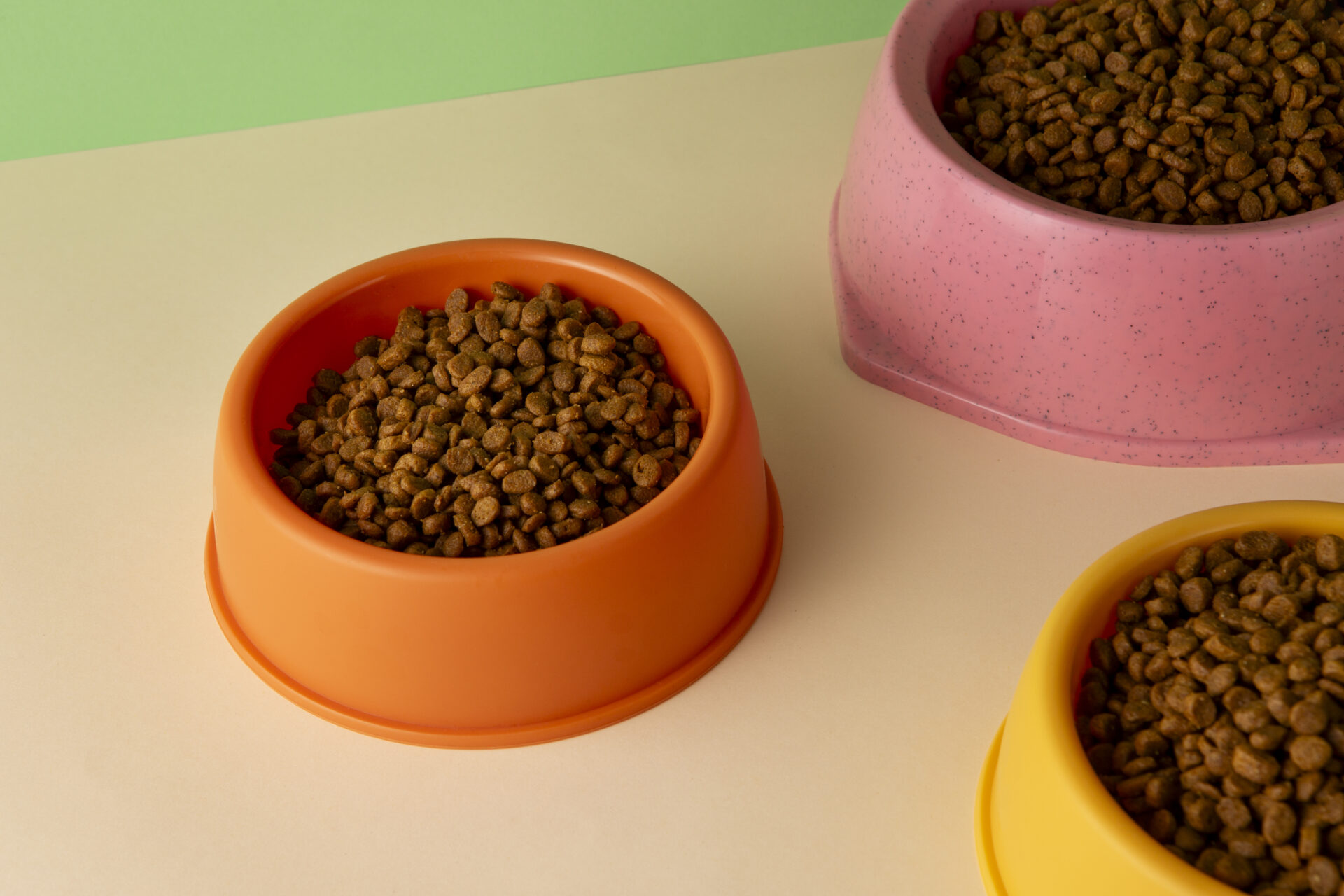
The growth of alternative pet foods brings operational complexity. These products often involve higher price points, diverse packaging formats, and, in some cases, temperature-controlled handling. At the same time, manufacturers must manage smaller batch sizes and frequent changeovers while maintaining efficiency and consistency.
Sustained Consumer Demand Despite Higher Costs
Despite cost concerns, consumer interest remains strong. Research shows increasing numbers of pet owners purchasing fresh, dehydrated, frozen, and raw pet foods, with many planning to maintain or increase spending. Growth is particularly strong in refrigerated and frozen dog food, supported by investments from both established multinational brands and newer specialist players. Packaging innovation and expanded retail distribution continue to support this trend.
The Need for Flexible Production and Palletizing Processes
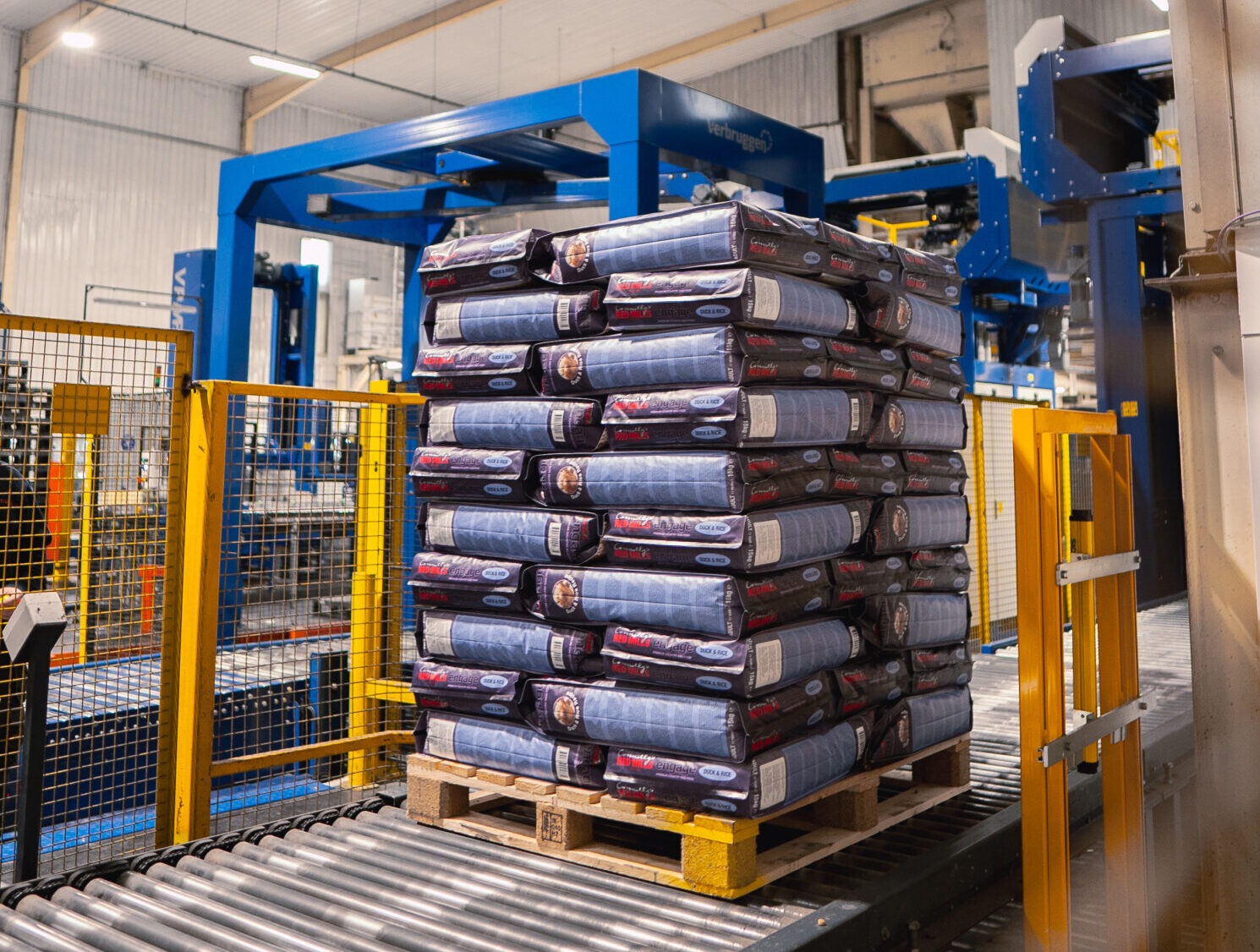
As alternative pet foods scale, production lines must become more flexible. End-of-line processes, including palletizing, need to accommodate a wider variety of pack sizes and formats without sacrificing throughput or reliability.

Preparing for The Future of Pet Food
Alternative pet foods are reshaping the pet food landscape and driving growth where traditional categories are slowing. While pricing remains a barrier for some consumers, long-term demand appears strong. Manufacturers that invest in adaptable production and palletizing solutions will be better positioned to support this evolving market. Would you like to know more about how production lines can adapt to changing pet food formats? Feel free to contact us.
Aries Aquitania
Key Account Manager – Pet Food
E-mail: a.aquitania@verbruggen.nl
Phone: +447947753161
“Changing consumer habits require flexible production thinking”