

-
 10 August, 2026
Blog
Six pet food buyers. One production line. Is it ready?
Written by Aries Aquitania
Introduction
Pet food is no longer one market. New research mapping the buying behaviour of more than 2,600 pet owners globally identifies six distinct consumer personas — each with different priorities around price, health claims, ingredients, and sustainability. For pet food manufacturers, this is both an opportunity and a production challenge.

More personas mean more products
Serving six consumer types means producing six different product worlds — different formulas, formats, bag sizes, and packaging configurations. Industry data confirms the trend. Allergen-free claims grew from 8% to 13% of new launches between 2024 and 2025. Of new high-protein launches last year, the large majority also carried at least one additional health claim. The portfolio is expanding fast.
The production consequence
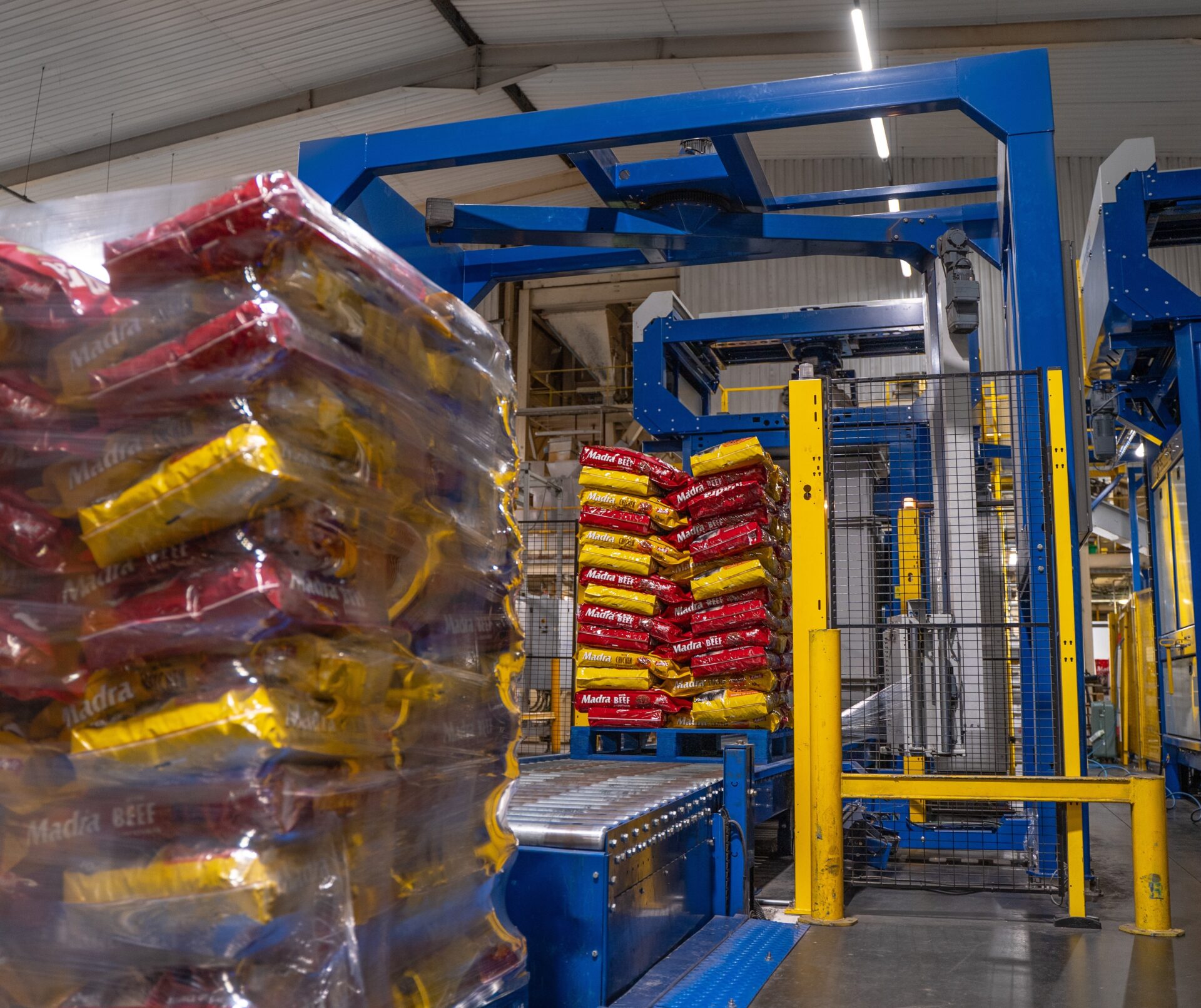
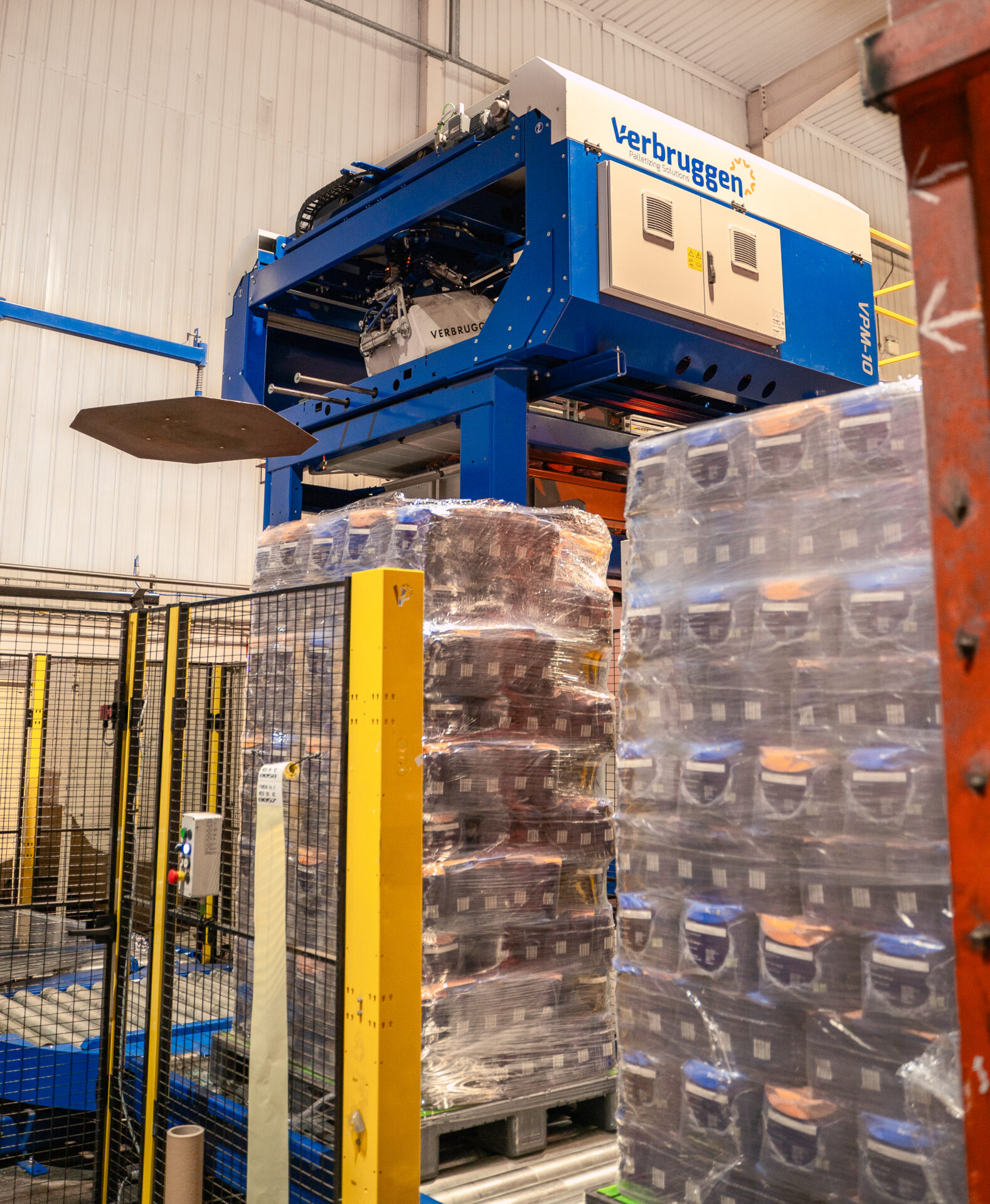
More SKUs mean more changeovers, more pallet configurations, and more pressure on end-of-line systems. A facility built for five product formats may struggle when that number reaches fifteen or twenty. The largest producers are already responding. Hill’s Pet Nutrition opened a facility in Kansas designed to run over 170 wet food formulas. Mars opened a new Royal Canin plant in Ohio in 2025. These are capital decisions made in response to exactly this kind of consumer complexity.
For mid-size and growing producers, the question is not whether this trend will reach them. It already has. The question is whether the production line is set up to handle it.
Useful questions to consider
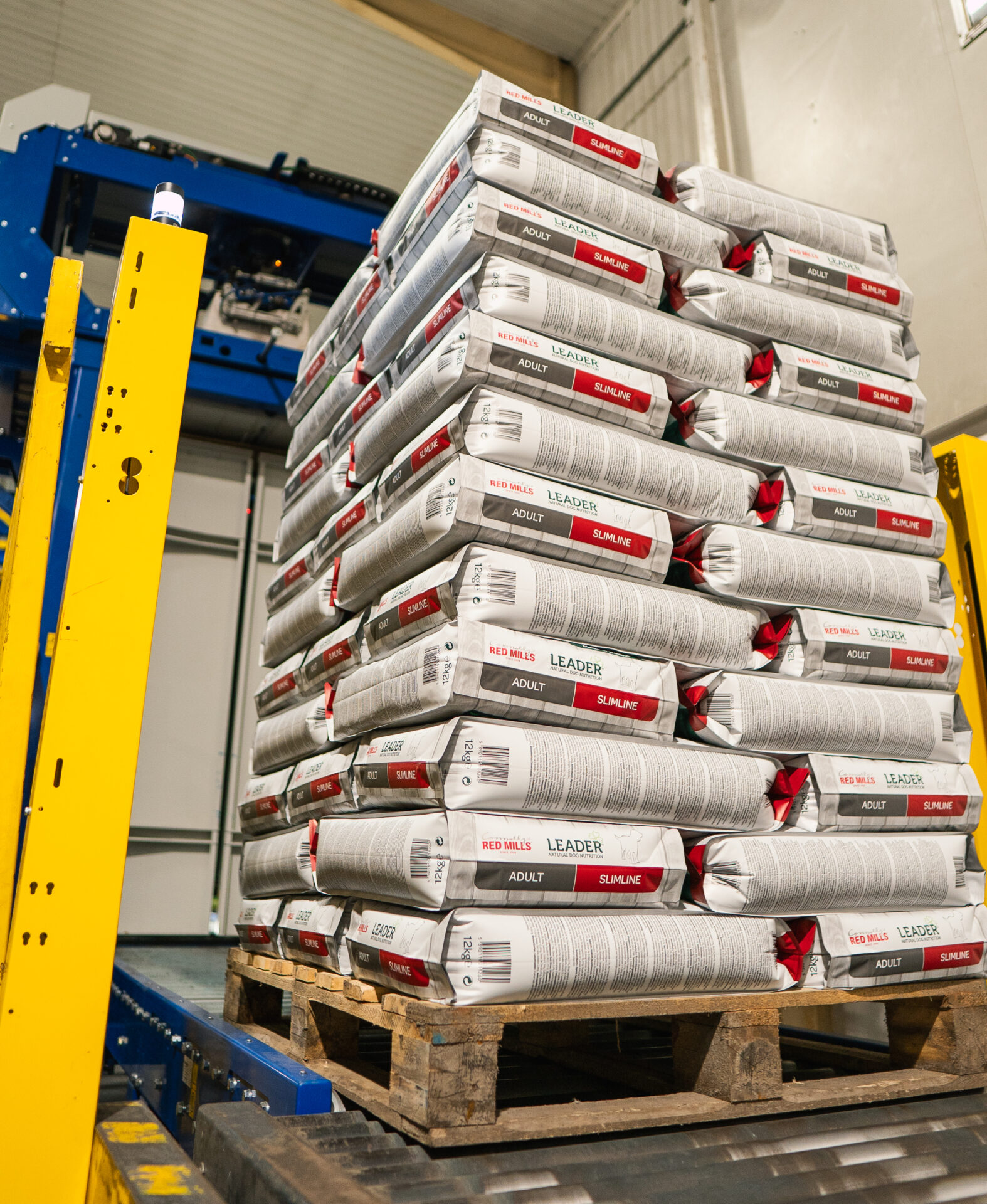
As product portfolios widen, producers benefit from reviewing their end-of-line setup honestly. Useful questions include:

Conclusion
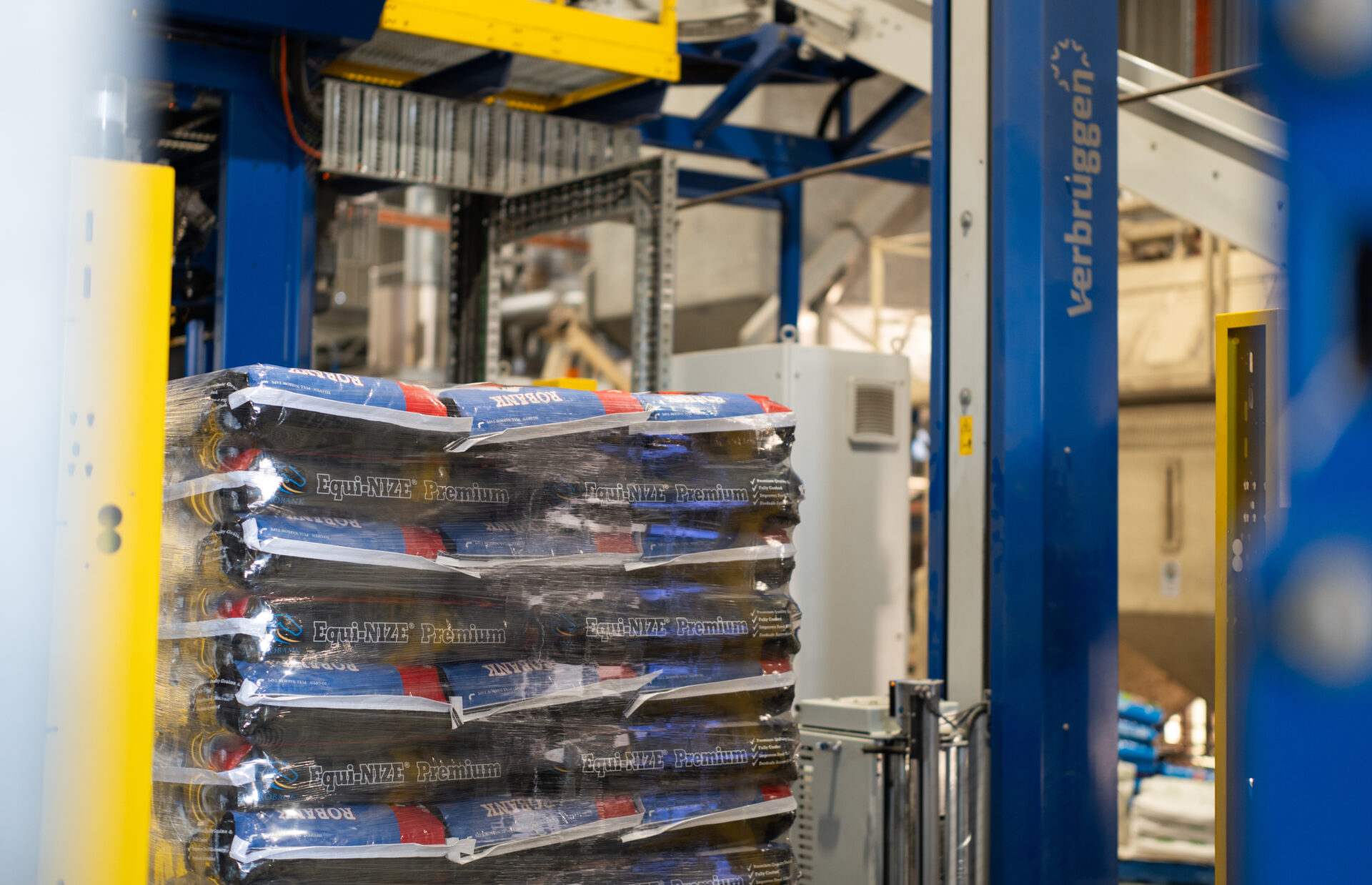
Consumer segmentation in pet food is deepening, and product portfolios are widening as a result. For manufacturers, the challenge is not only making more products, but moving, stacking and shipping them efficiently at the end of the line. Automating the palletising process is one of the ways to stay ahead of that complexity. Would you like to know more about this topic? Feel free to contact Verbruggen.
Aries Aquitania
Key Account Manager – Pet Food
“When research shows six distinct buyer personas shaping what goes on the shelf, that complexity does not stop at the recipe. It travels all the way to the end of the line. That is where we come in.”