

-
 17 November, 2026
Blog
From field to pallet: how carrots are processed, packed and palletized
a blog by Tina Scheffer (Global Marketing Manager)
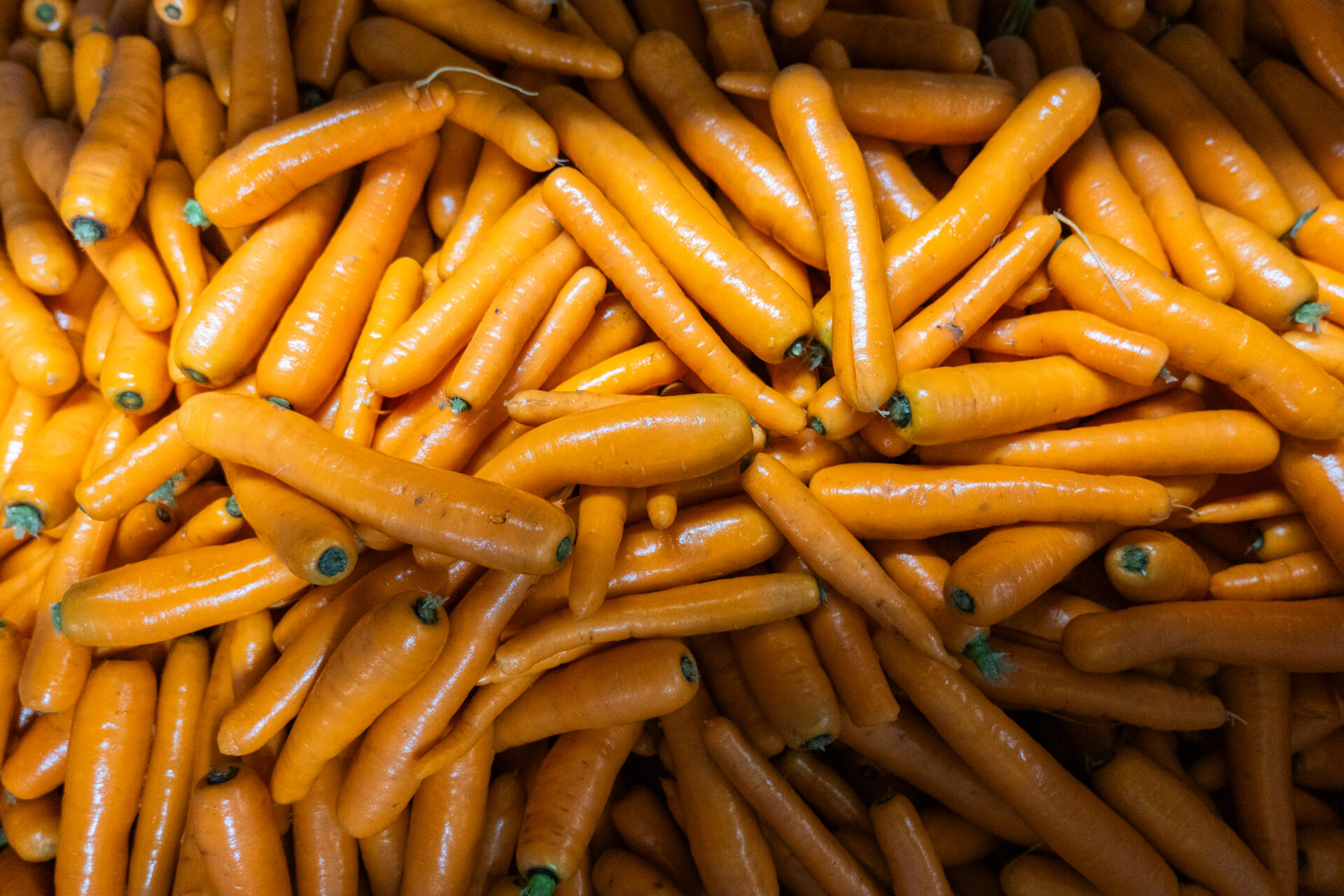
Carrots. We see them in supermarkets every day, but have you ever wondered what happens before they reach the shelves?
There’s quite a journey behind every bag of carrots. From harvesting and washing to sorting, packaging and finally palletizing. And when you’re dealing with large quantities, making sure every step runs smoothly is quite a challenge.
So, how does this process actually work? And what role does automation play in getting those carrots ready for transport?
Let’s take a closer look!
How are carrots processed after harvesting?
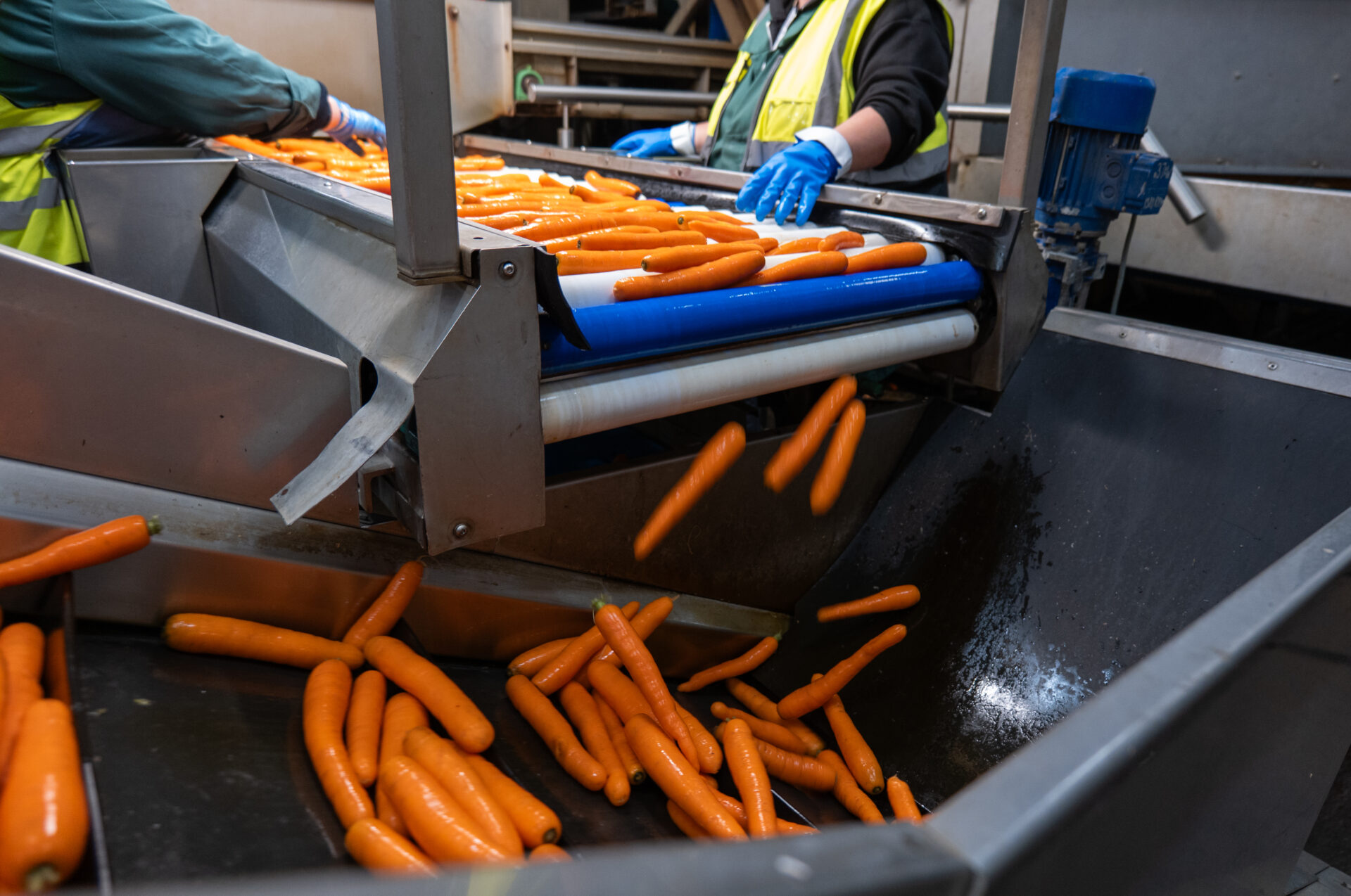
It all starts in the field. Once harvested, carrots are transported to a processing facility, where they go through several steps before they’re ready for the market. First, the carrots are washed to remove soil and dirt. Next, they’re sorted and graded based on characteristics such as size and quality. Depending on their destination, they may also undergo additional quality checks. Then comes packaging. Carrots can be packed in different formats, from smaller consumer bags to larger bags for wholesale or foodservice customers. Once packed, there’s one final step before they’re ready to leave the facility: palletizing.
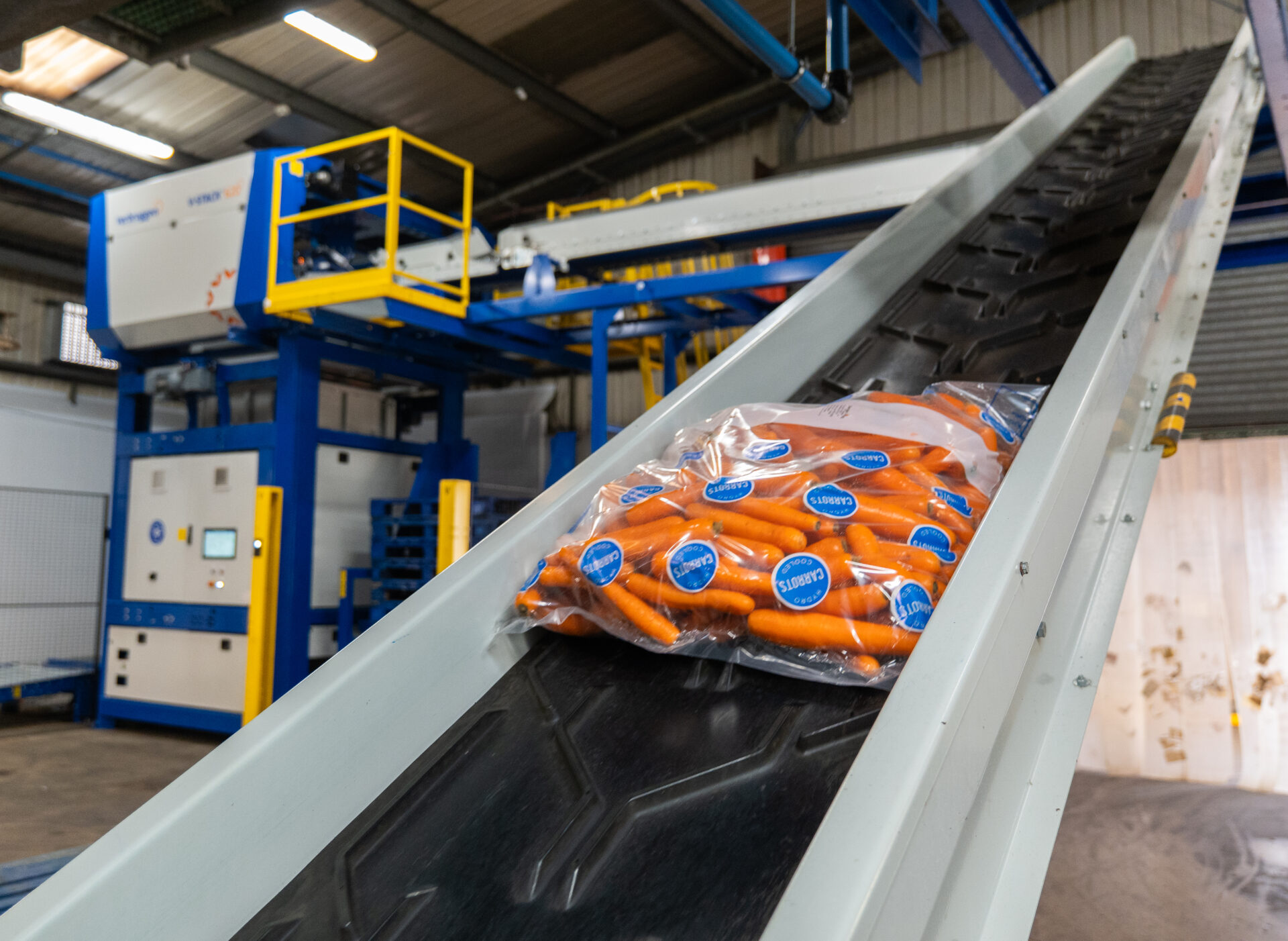
How are bags of carrots palletized?
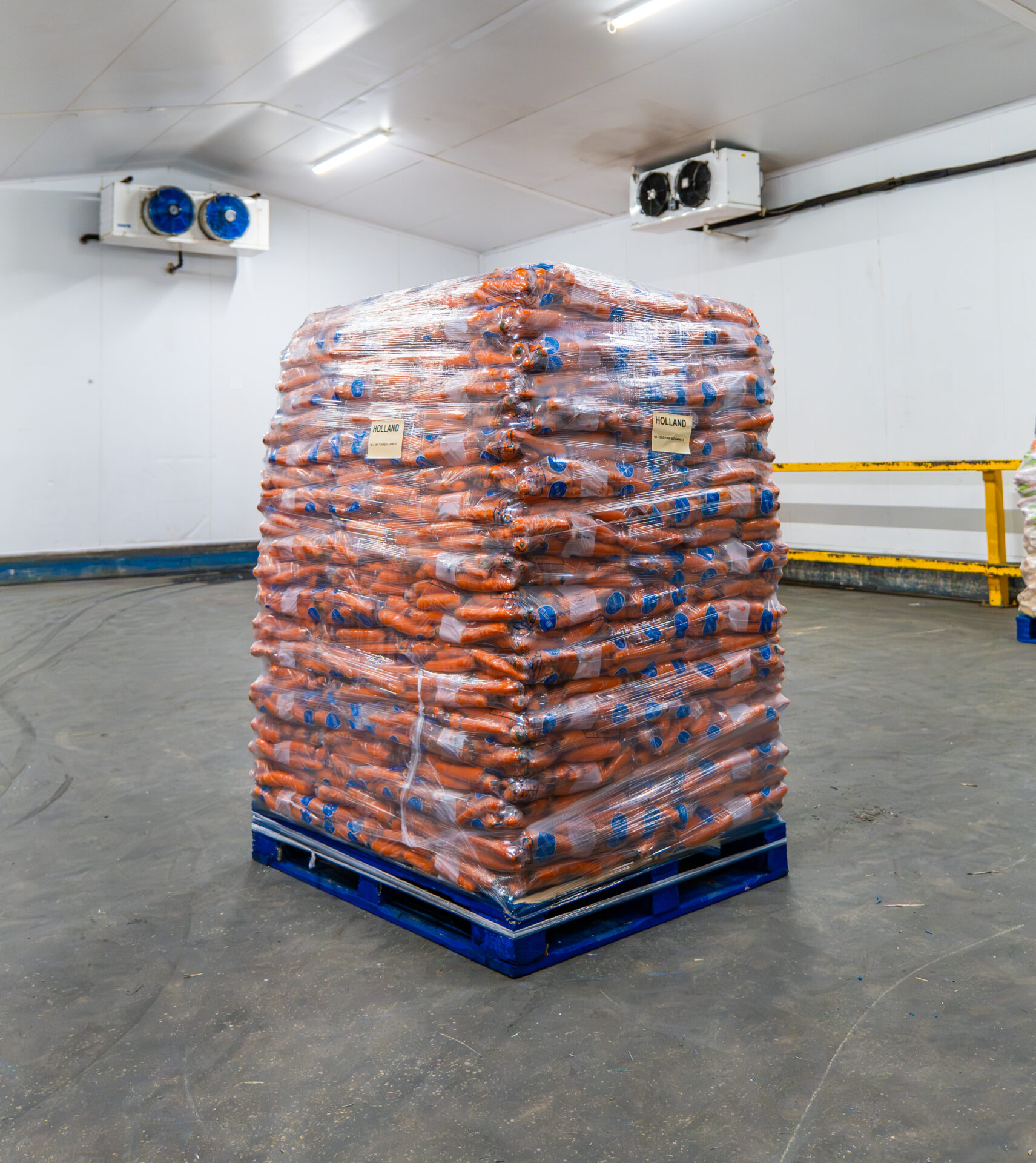
Imagine hundreds or even thousands of bags of carrots coming off a packaging line. All those bags need to be stacked onto pallets, ready for storage and transportation. Doing this manually would be quite a job!
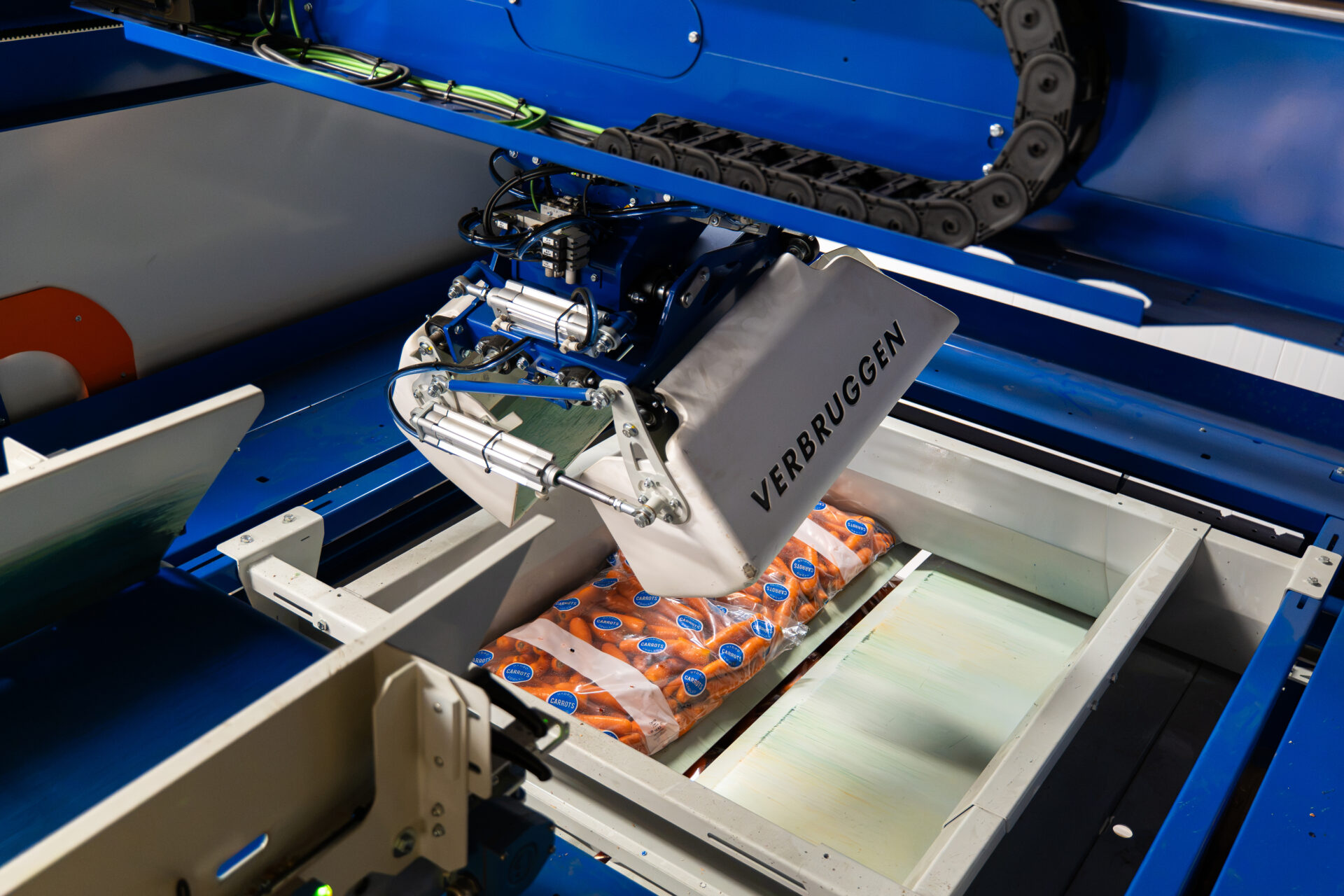
With an automated palletizing system, bags are arranged and stacked according to a predefined pallet pattern. The system helps create consistent, stable pallets while keeping up with the packaging line. And that’s important. After all, we want to avoid bags from shifting or falling during transport.
“We have an excellent reputation among companies that know us. Some of our machines are still running after twenty years. That says a lot about their quality. But just as importantly, customers know they can continue to count on us throughout the entire lifecycle of their machines, thanks to our Lifecycle Program.”
What are the benefits of automated carrot palletizing?
For carrot producers and packers, efficiency is essential. Especially during busy harvesting and processing periods, when large volumes need to be handled within a relatively short time. Automating the palletizing process can make a real difference. It reduces repetitive manual lifting, helps maintain a consistent production flow and creates uniform pallet loads. It also allows employees to focus on other tasks instead of continuously stacking bags. And with the right system in place, the end of the packaging line no longer needs to be a bottleneck.
How does automated carrot palletizing work in practice? A visit to MH Poskitt in the UK
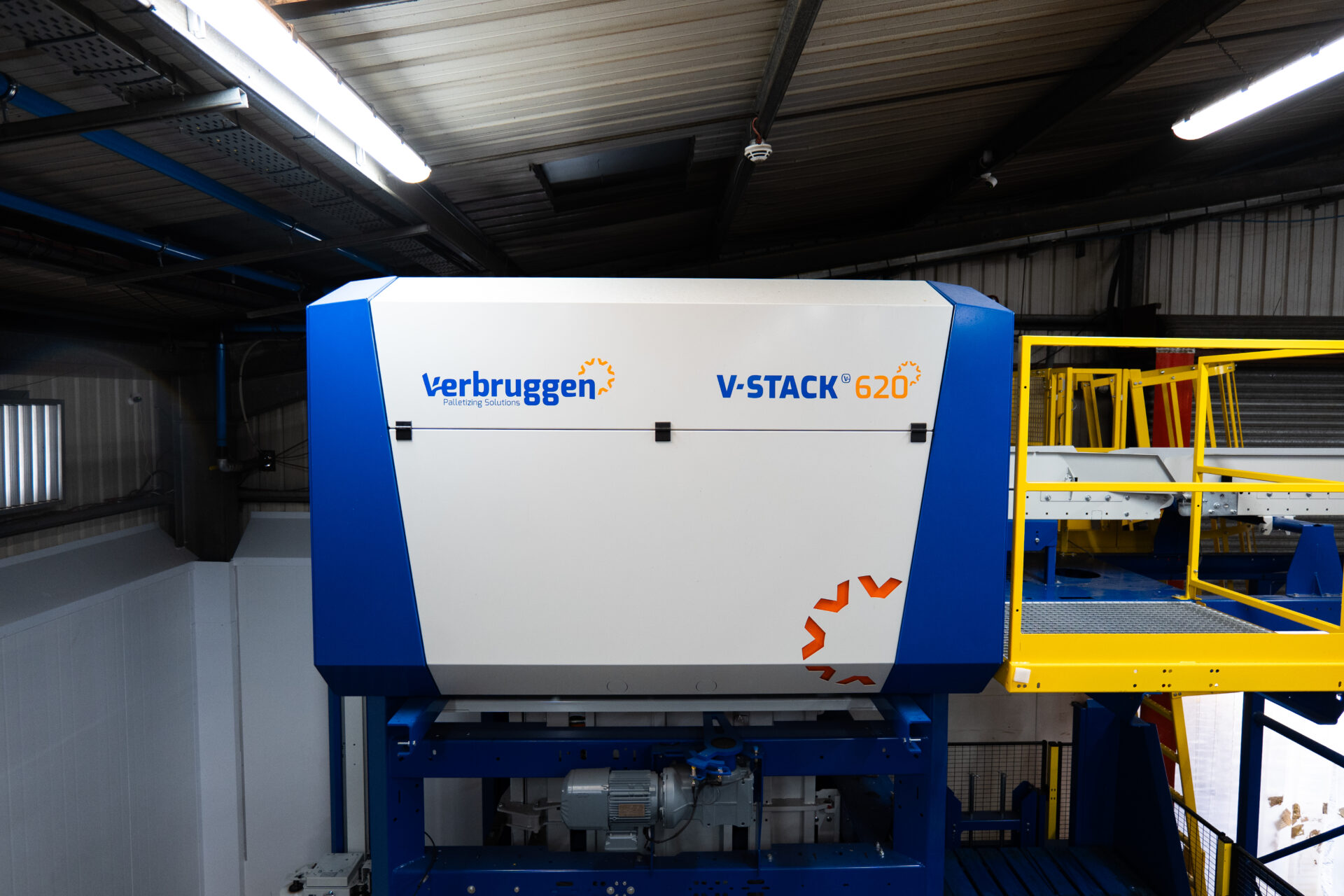
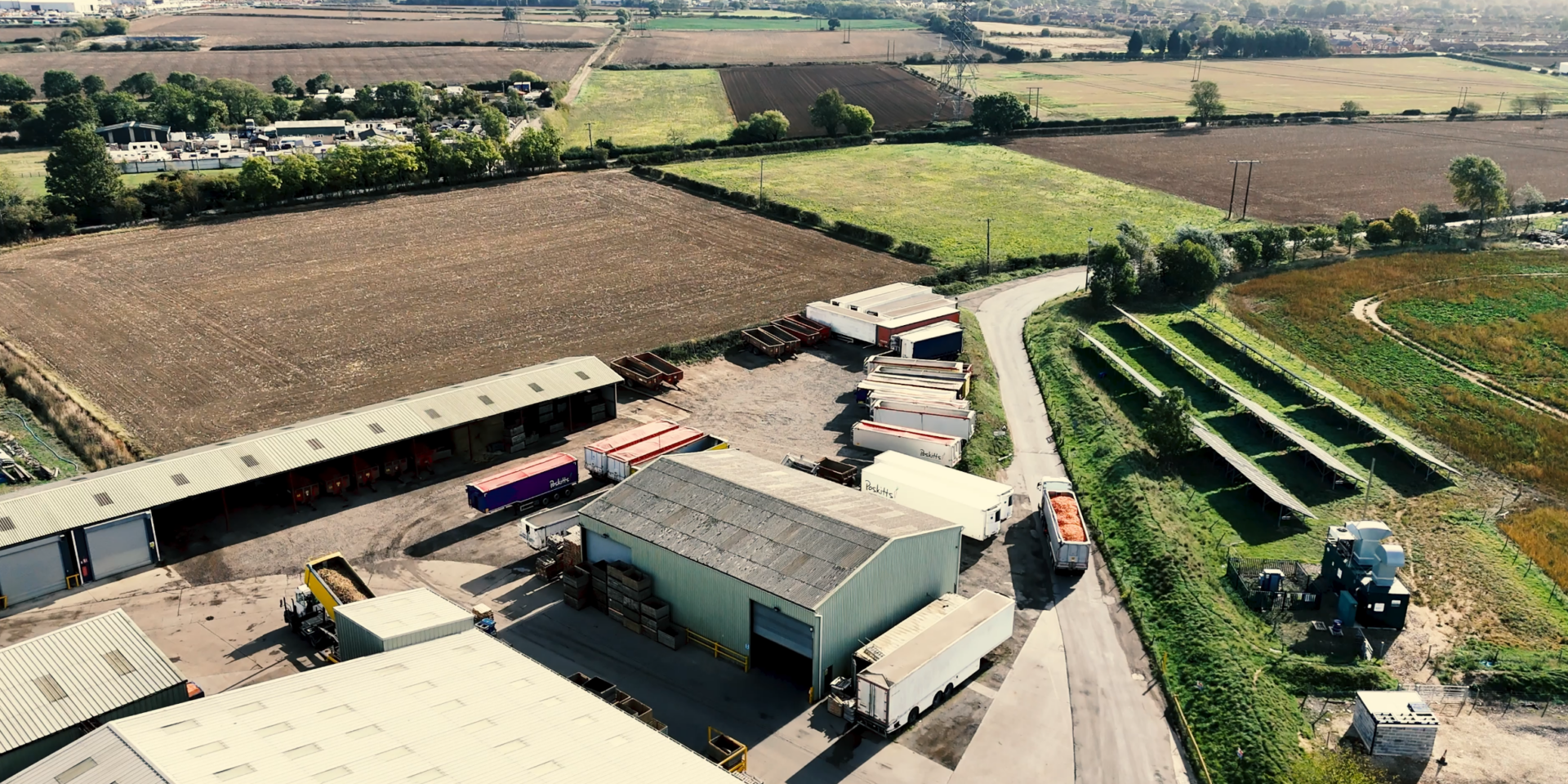
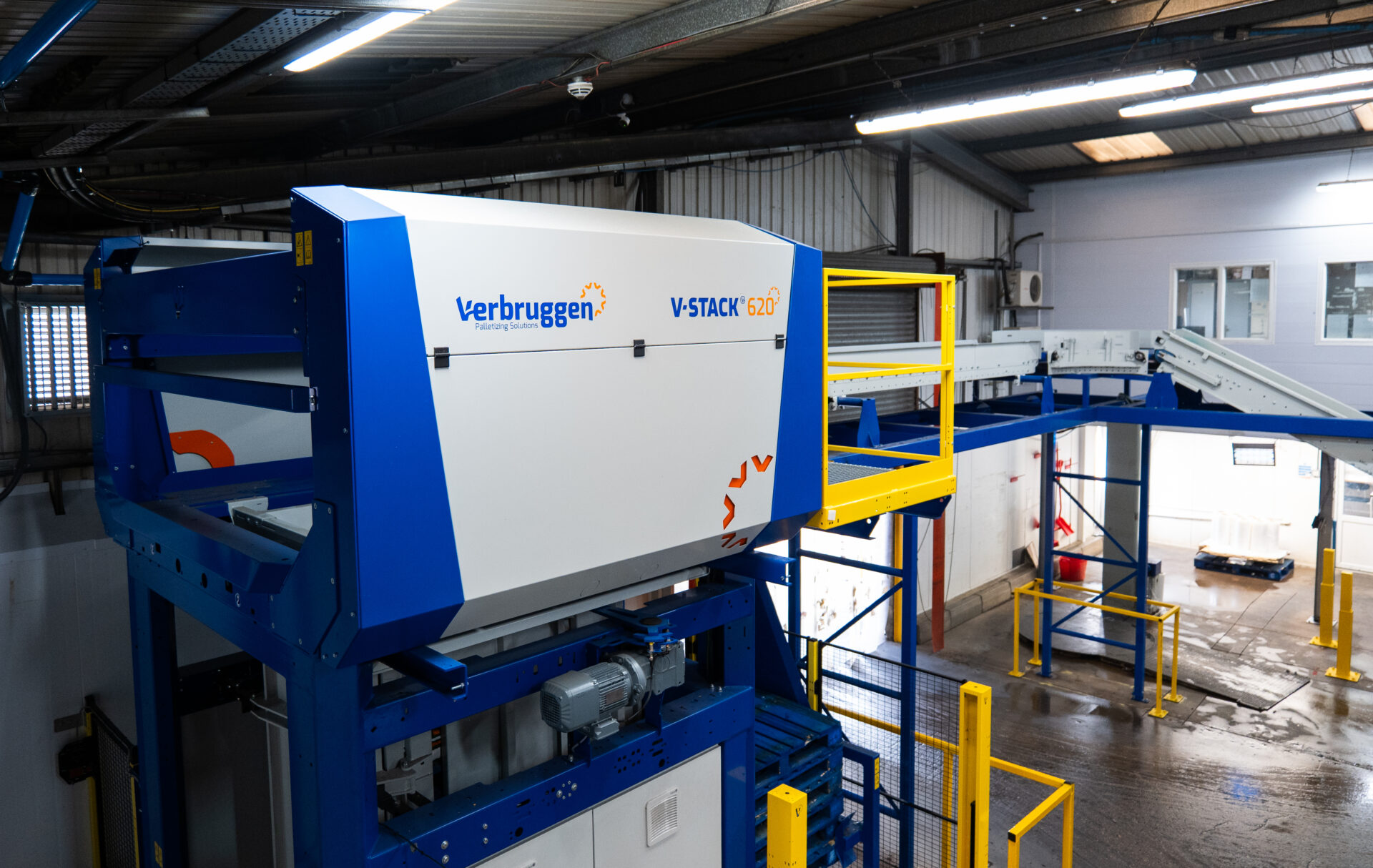
It’s one thing to talk about the benefits of automated palletizing, but it’s even better to see how it works in practice. A great example is MH Poskitt, a fresh produce business in the United Kingdom, where a Verbruggen VStack-640 palletizer was recently installed specifically for handling bags of carrots. The machine was supplied through our partner Tong Engineering. With the Vstack-640 now part of their operations, we were curious to hear about their experience. So, we visited MH Poskitt to see the machine in action and talk to the people working with it. And the feedback? Very positive!
Watch the video below and hear about their experience!
What should you consider when choosing a carrot palletizing system?
Every production facility is different. The type of packaging, production capacity and available floor space all influence which palletizing solution is the best fit. For example, a facility handling different bag sizes may need more flexibility than one working with a single packaging format. And when production volumes are high, keeping the palletizing process in line with the packaging speed becomes even more important. That’s why it’s worth looking beyond the machine itself. How does it fit into the existing production line? What are the requirements for pallet stability? And what might change in the future? Finding the right solution starts with understanding the complete end-of-line process.
Can carrot bags be palletized automatically?
Yes! Automated palletizing systems can stack suitable bags of carrots onto pallets according to predefined stacking patterns. The right configuration depends on the bag type, weight and required production capacity.
What types of carrot packaging can be palletized?
Carrots are packed in different formats, including consumer packaging and larger bags for wholesale and foodservice. Whether a particular format can be handled depends on the packaging material, dimensions, weight and palletizing system.
How can automated palletizing improve efficiency in carrot processing facilities?
Automated palletizing reduces repetitive manual handling, supports a consistent production flow and helps create stable pallet loads for storage and transportation. This can be particularly valuable during busy processing periods.
Can an automated palletizer be integrated into an existing carrot packaging line?
In many cases, yes. Integration depends on factors such as the existing equipment, available floor space, production speed and required pallet configuration.
Looking to improve your carrot palletizing process?
Whether you’re processing carrots or other fresh produce, an efficient end-of-line process can make everyday operations a lot easier. Curious about the possibilities for your production line?
Get in touch with our team. We’d be happy to explore the options with you!
Want to Learn More about our End-of-Line Solutions?
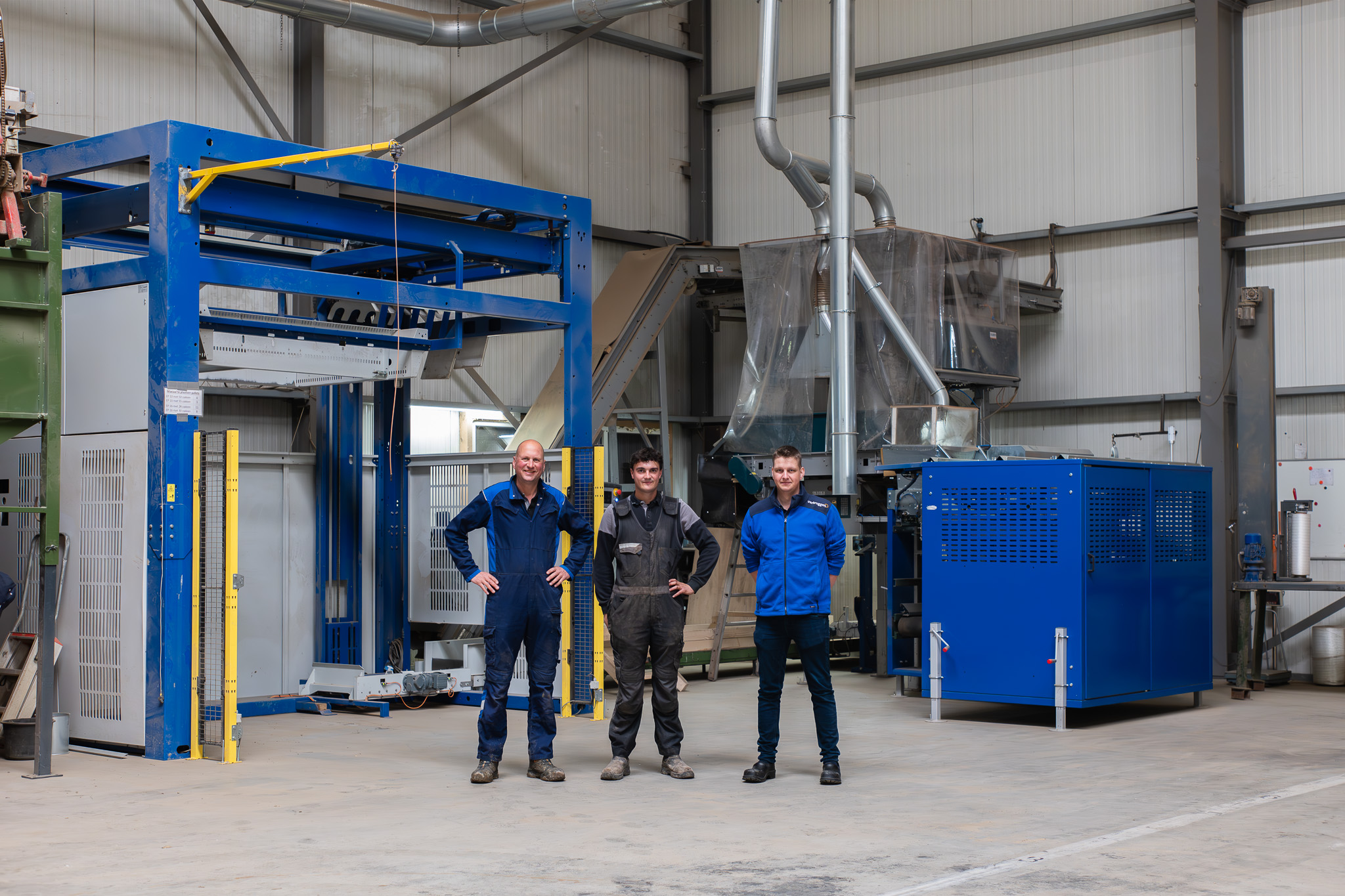
15 June, 2026
News
“Besides the labor savings, it mainly brings peace of mind to your business”
Brothers Gerwin and Rudi Luimes, who own a farm of approximately 175 hectares in Marknesse in the Noordoostpolder, grow seed potatoes, table potatoes,...
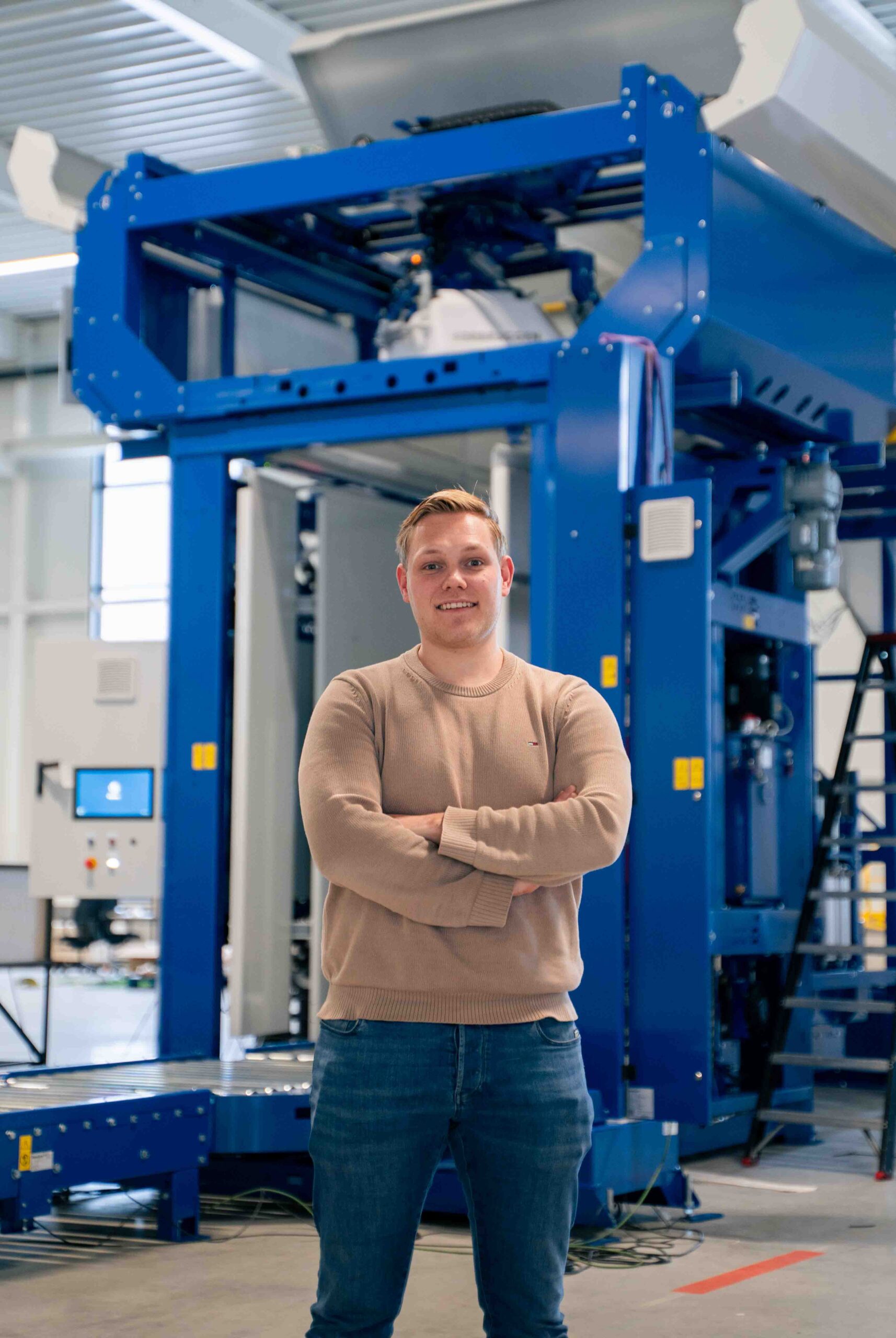
17 August, 2026
Blog
Quality that lasts: Why Verbruggen machines keep performing for decades
Verbruggen has earned a global reputation for building robust palletizing solutions that continue to perform year after year. But what makes a palleti...
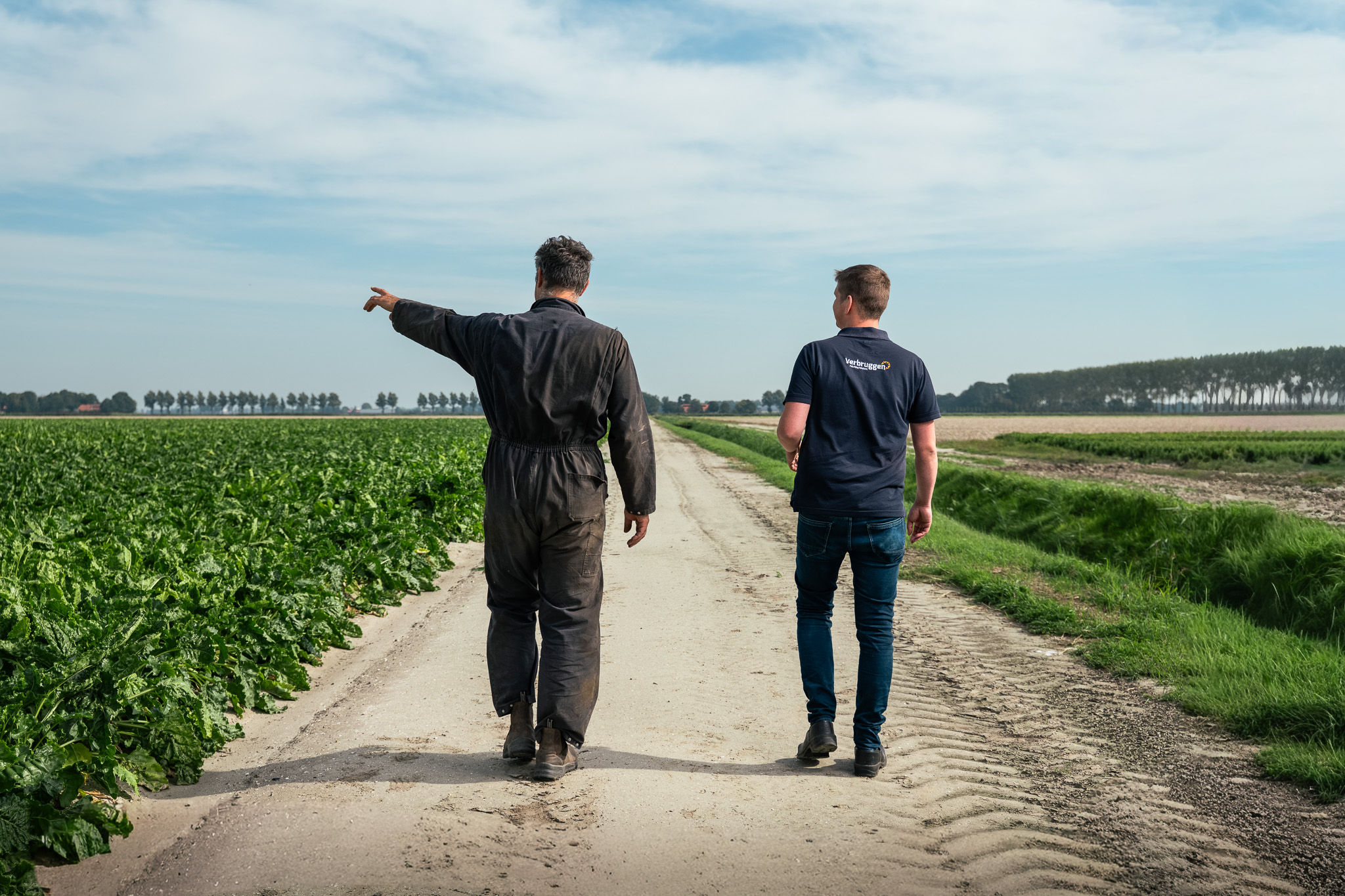
27 August, 2026
Press Releases
Verbruggen introduces StackCheck
As Verbruggen continues to develop its palletizing solutions, clarity becomes increasingly important. Our previous naming structure had grown over tim...

10 March, 2026
News
Three New Machines, One Smart End-of-Line Solution
Verbruggen Palletizing Solutions has expanded its portfolio with three new machines: V-Weigh, V-Load, and V-Pack. Together with Verbruggen’s well-know...