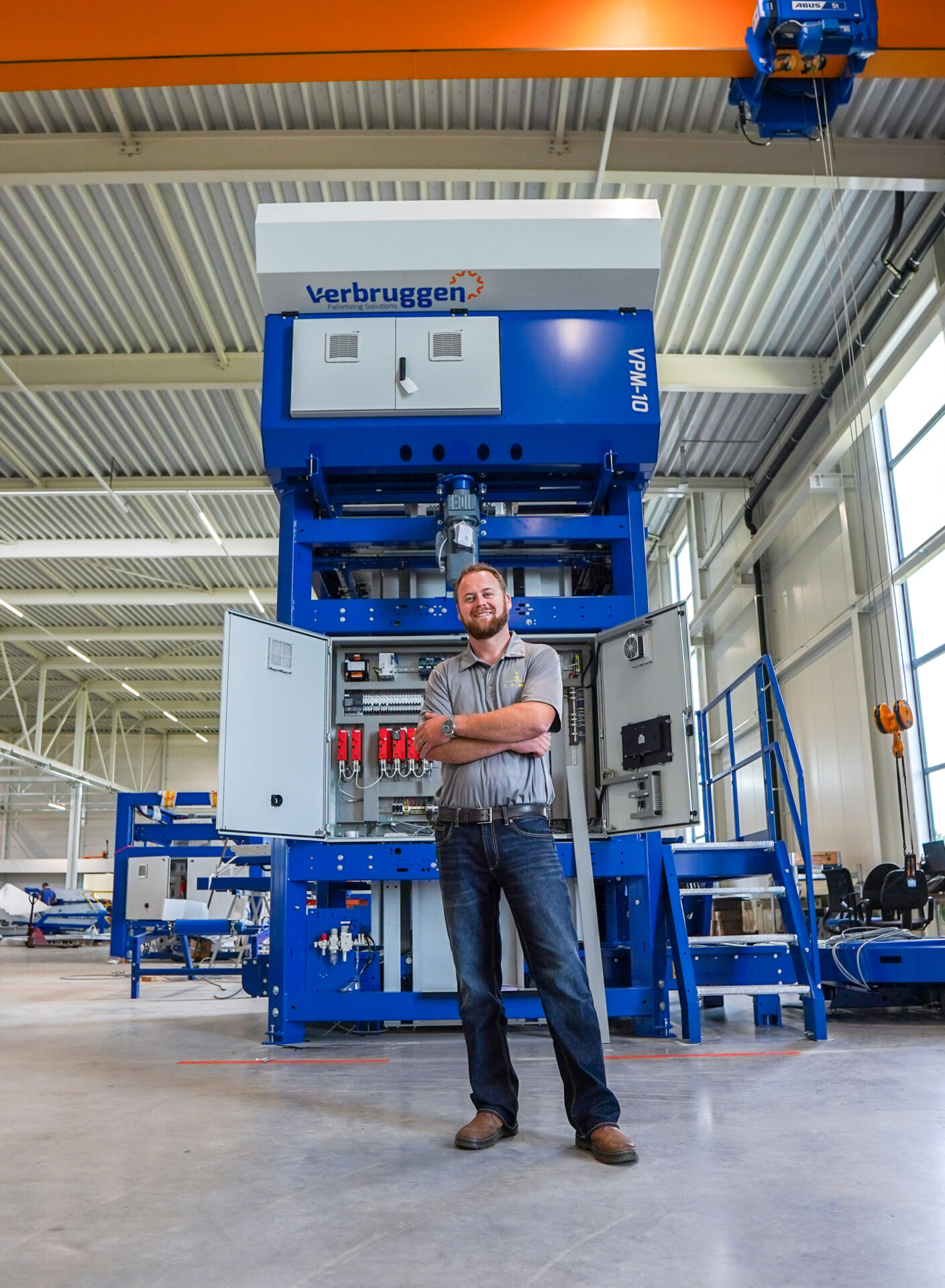
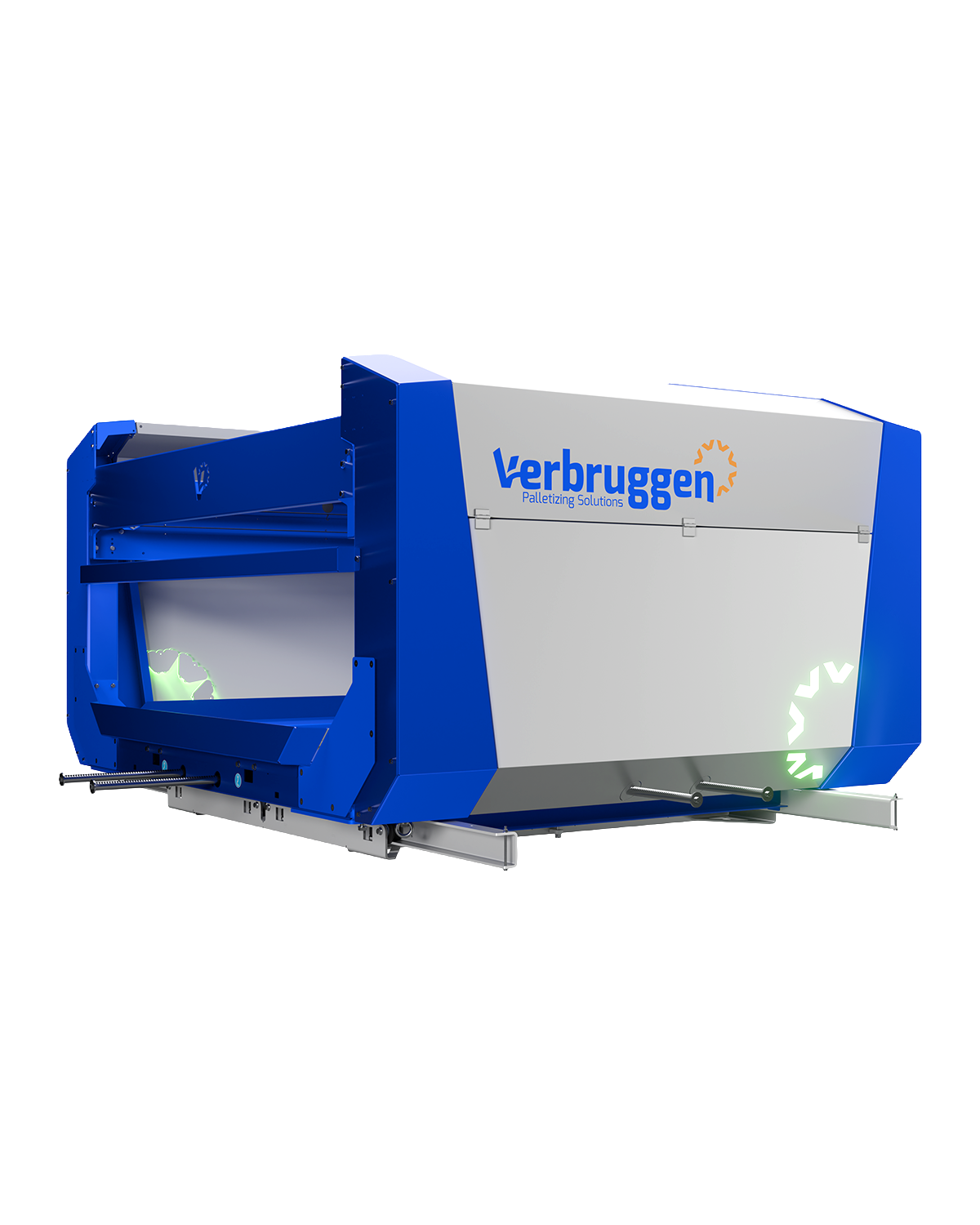
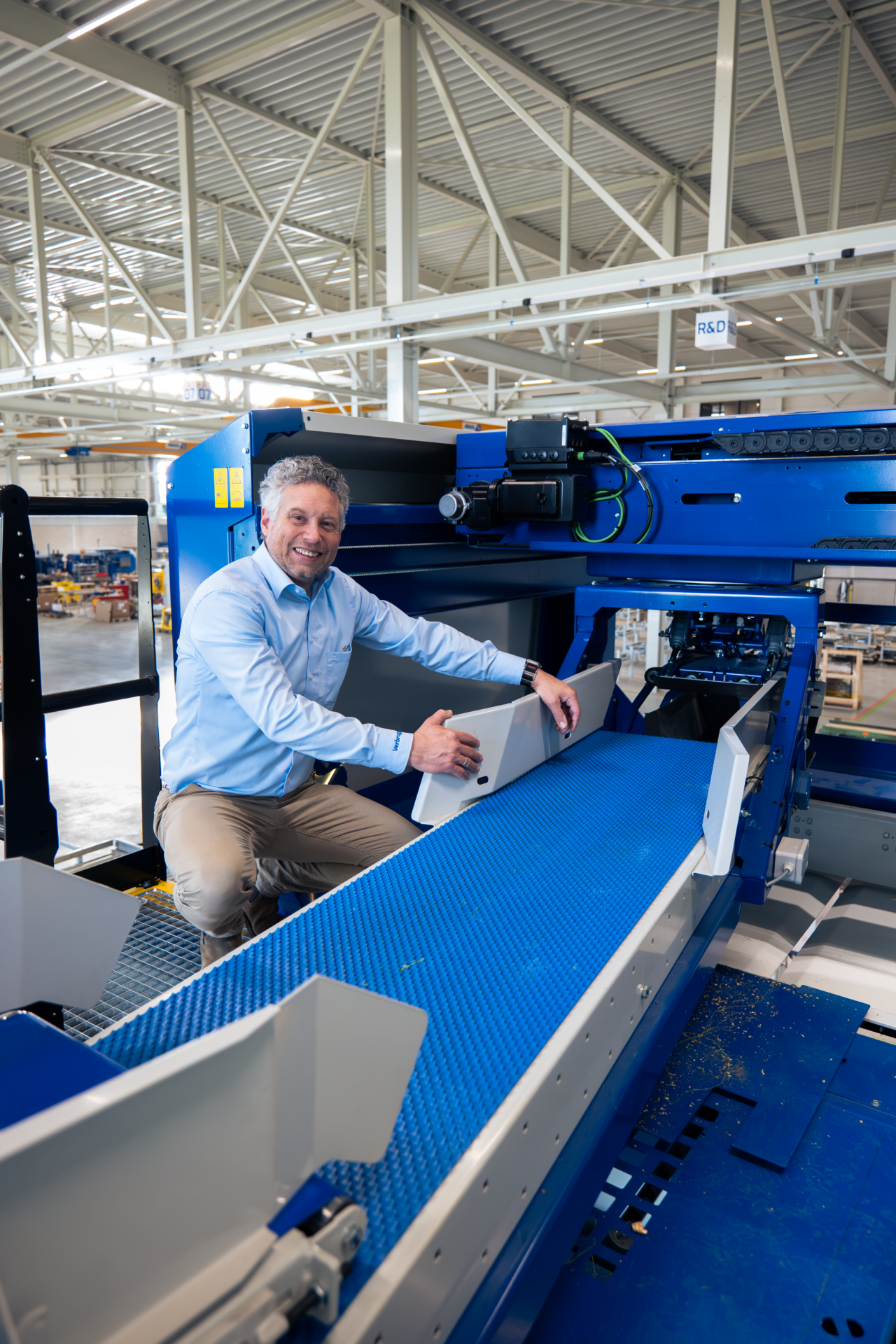
The new Verbruggen topframe is the result of years of development, extensive testing and close cooperation between engineering, production and service...
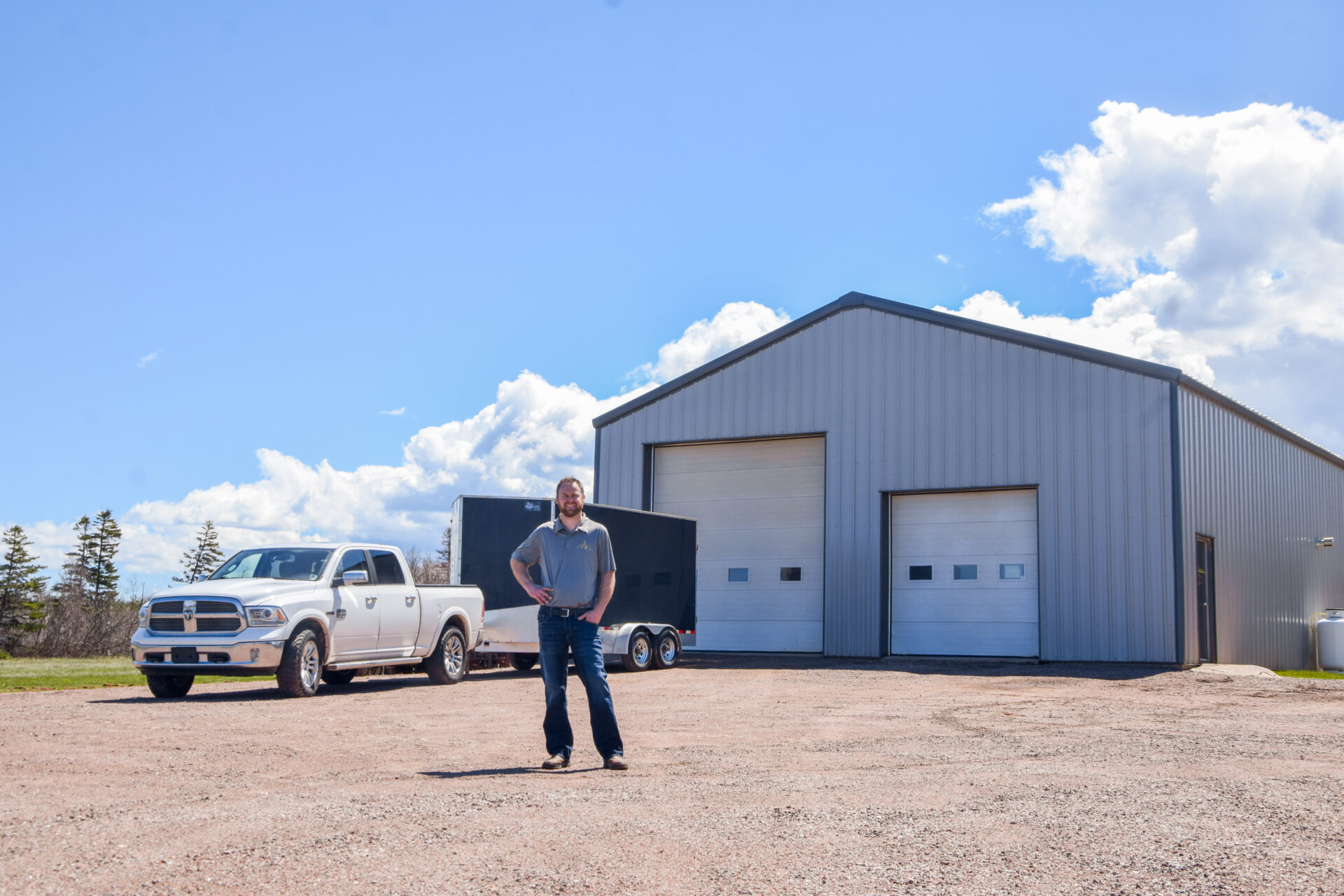
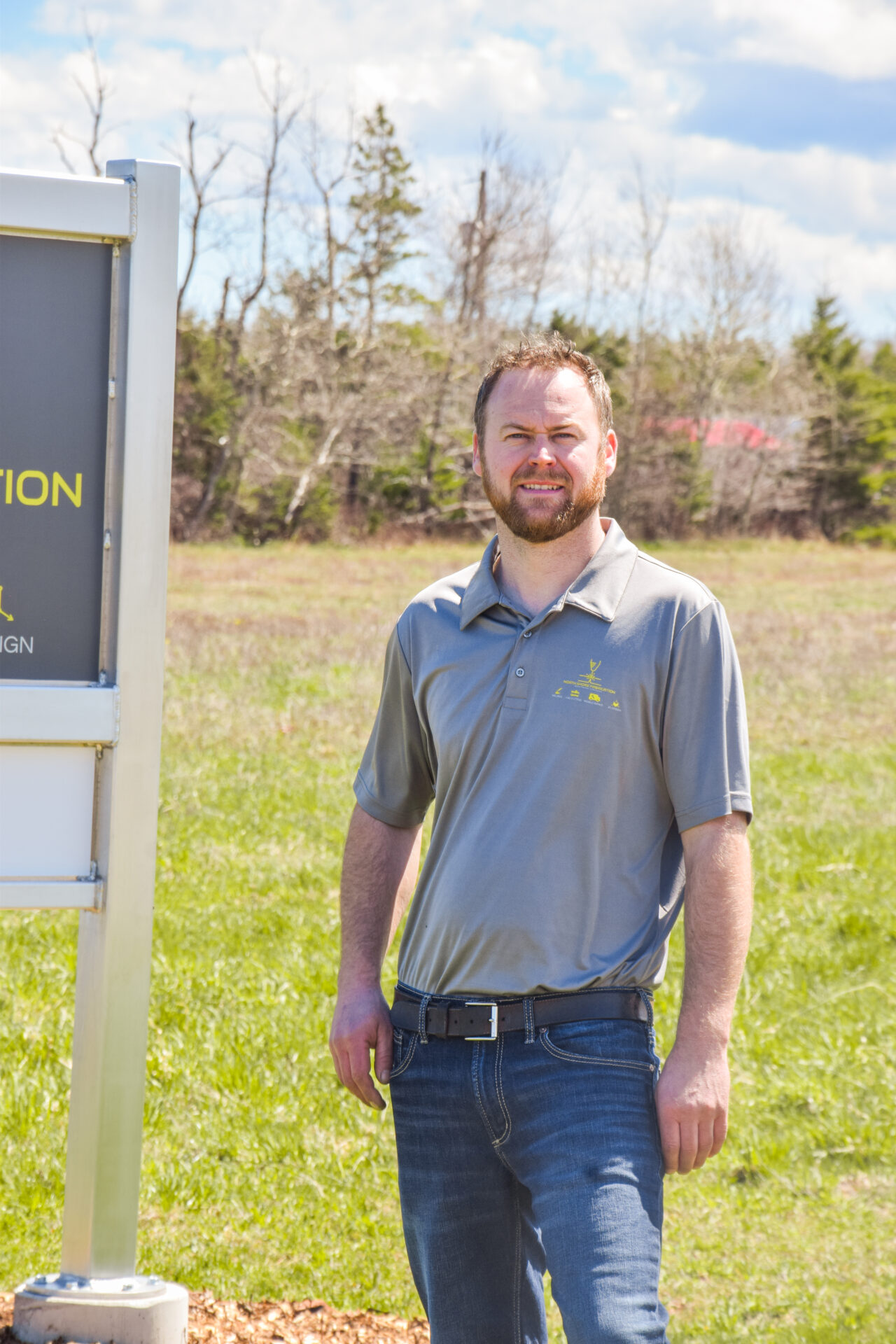
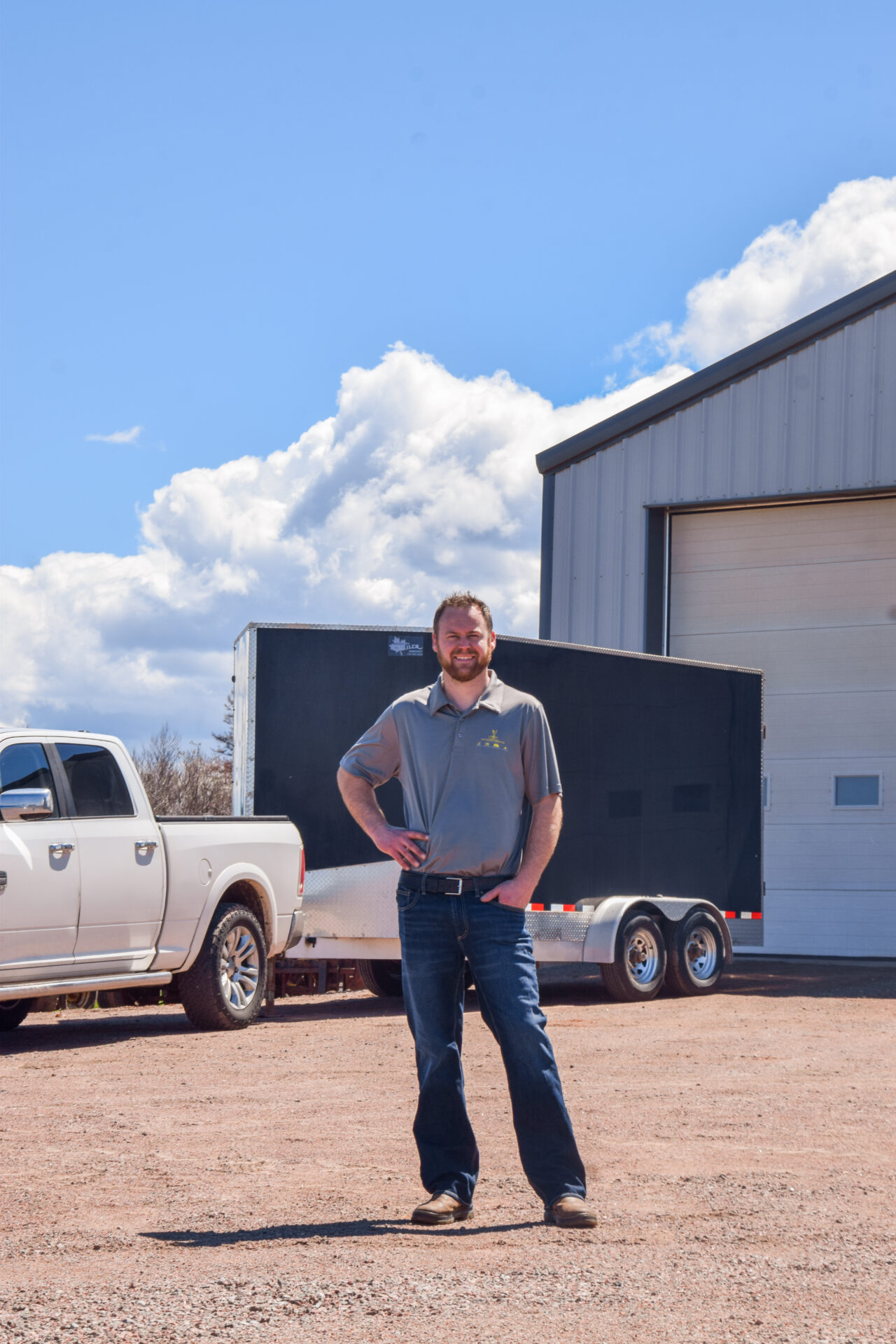
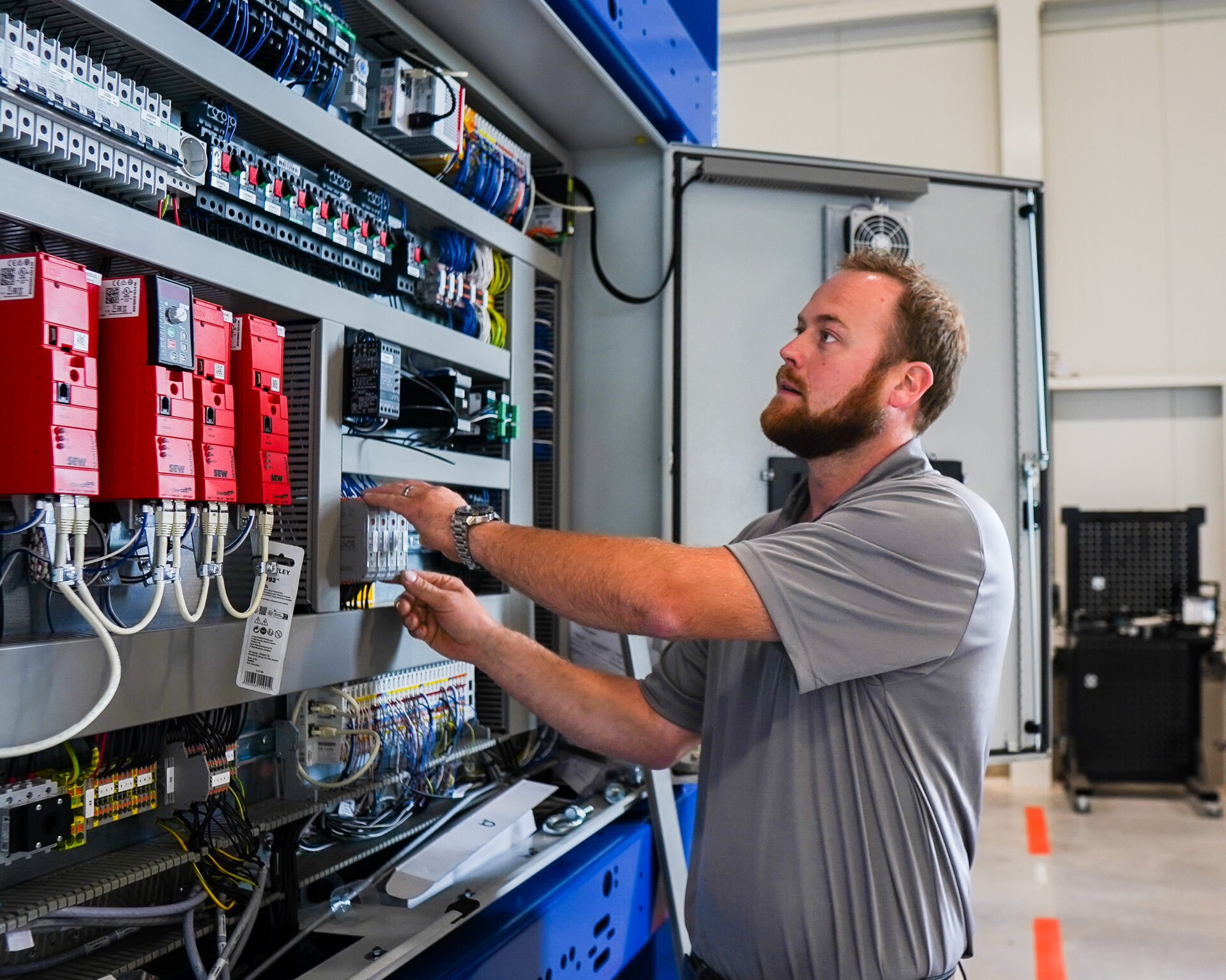
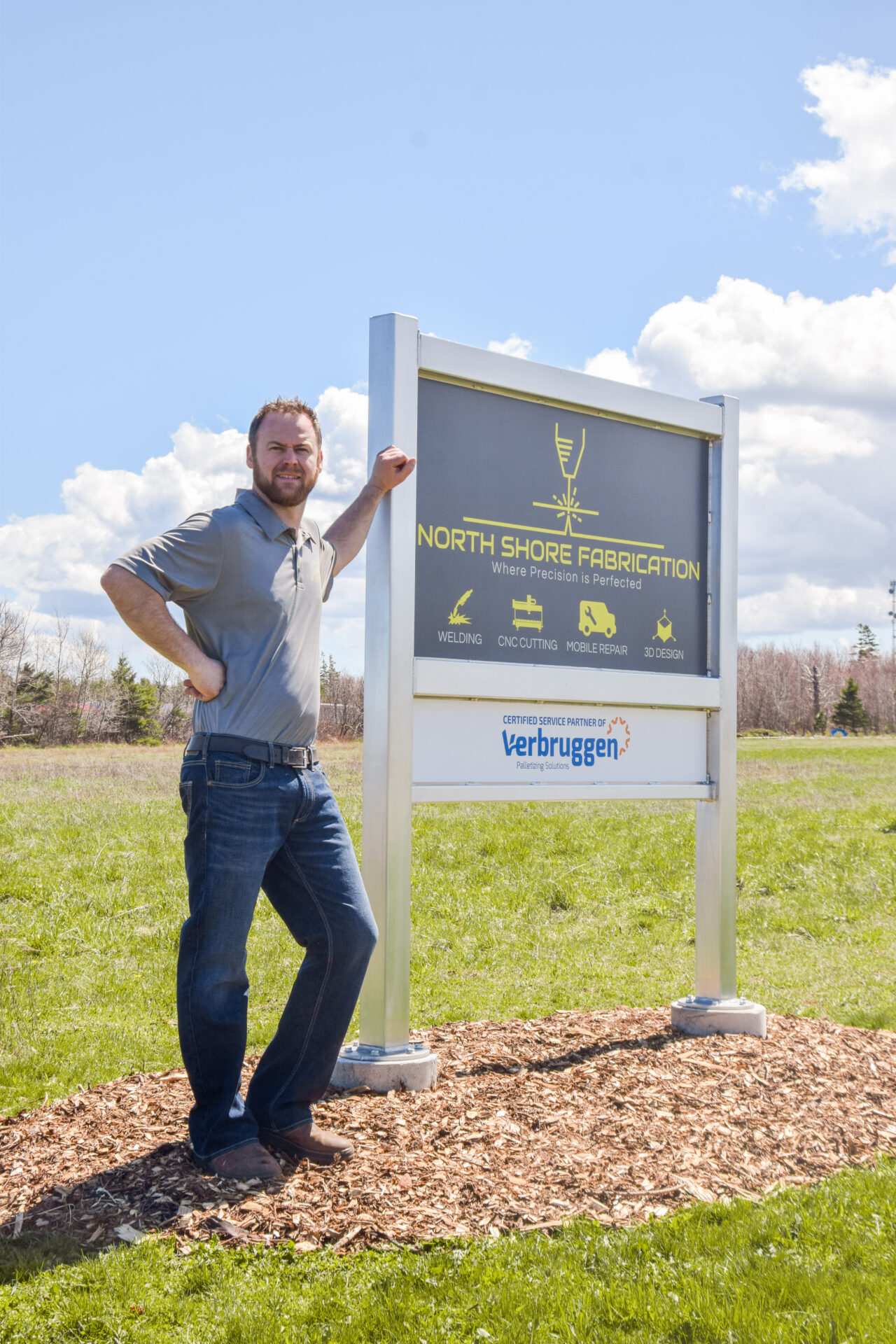
My name is Willem Koert, and I run North Shore Fabrication out of West St. Peters, Prince Edward Island in Canada. I studied Mechanical Engineering. With that background I worked towards starting my own company. In 2020 I founded North Shore Fabrication. We started as a custom welding and fabrication shop, aluminum, steel, stainless, serving the aquaculture, agriculture, and manufacturing industries here on the Island and beyond. A lot of what we do is built around solving practical problems for producers, processors, fishers and the local farming industry. We provide custom equipment, mobile service and CAD design.
Before moving to Prince Edward Island, I lived in Ontario, which gave me a
strong understanding of the market there, as well as the customers and their expectations. I still travel to Ontario for work at least four times a year, which allows me to stay closely connected to the industry and our customers in the region. When we were approached by Verbruggen in 2025 to work together as aservice partner, we felt it was a natural extension of what we already do: take a problem, engineer a solution, and make sure it works reliably over the long term.
We’re a small, yet efficient and purpose driven operation, and that’s entirelyintentional. When someone calls North Shore Fabrication, they get me, not a call center, not a ticketing system. I know our customers, I know their facilities, and I show up. Whether it’s a scheduled maintenance visit or an after-hours emergency, that personal relationship is the foundation of everything. We operate Monday to Friday, but our emergency line runs around the clock, because downtime doesn’t keep business hours. The values are simple: honesty, craftsmanship, and follow-through. We don’t promise things we can’t deliver, andwe don’t walk away once a machine is commissioned. That ongoing commitment is exactly what I think good service looks like, and it’s something I saw reflected in Verbruggen’s own culture when we first connected.
There’s a real mix here. You’ve got established processors — food, feed, seed, agriculture, petfood, animal feed — that have been running the same line configurations for decades. They’re efficient in the middle of their process but often still relying on manual labor at the back end, because that’s how it’s always been done. Then you’ve got newer or growing operations that are scaling up and suddenly realize their people can’t keep up with their machines. In both cases, there’s a strong practicality to the culture. These aren’t companies that buytechnology for its own sake — they want to know: will it work in my building, with my product, in my climate? And they want someone they can call when something goes sideways. The cold winters, the remote locations, the smaller labour pools — all of that shapes how they think about investment decisions. Reliability and local support matter enormously here.
The biggest challenge is the gap between production speed and end-of-line capacity. A company upgrades their packaging line and suddenly their palletizing team can’t keep up. That becomes a chokepoint, product backs up, quality suffers, people get injured. That’s where things most often go wrong.
In terms of inefficiency, I see a lot of companies significantly underestimating the true cost of manual palletizing. They calculate the hourly labour rate, but they don’t account for turnover, training time, workers’ compensation claims, inconsistent stack quality, or the fact that a tired person at the end of a shift doesn’t stack the same way as one at the beginning. Those hidden costs add up fast, and they compound year over year.
Feedback we often receive after the installation of a Verbruggen palletizer is that there are fewer forklift movements, the packing facility becomes safer and more organized, more product fits on each pallet which can reduce storage and transportation costs, and the machine-stacked pallets look significantly better — helping our customers attract more business.
There’s also a tendency to view automation as an all-or-nothing commitment. Companies think they need to redesign their entire facility to justify a palletizer, and that fear of disruption keeps them from acting. In reality, a well-designed system can be integrated into an existing line with far less upheaval than most people expect. Verbruggen palletizers are built with a modular design and, in most cases, can be easily integrated into existing packing facilities, even where space is limited.
Practically speaking, you hit a ceiling. Your production capacity is only as strong as your weakest link, and if that link is end-of-line handling, you can’t grow. Beyond growth, there are real safety consequences, repetitive strain injuries, musculoskeletal problems from heavy lifting, workplace accidents. In a tight labour market like ours, those incidents don’t just cost money; they cost you people, and finding replacements is harder than it’s ever been. There’s also a competitive dimension: companies that have automated can produce quicker and more consistently and respond to demand spikes that their manual only competitors simply cannot. They ship cleaner, better looking and more stablepallets which is highly appreciated by our customers’ clients and also helps generate more business for them. Over time, the gap between automated and nonautomated operations widens. The companies that delay the decision often end up paying more for it later, both in direct costs and in market position.
The story behind my partnership with Verbruggen actually begins long before any business conversation took place. My father and Alex Verbruggen first crossed paths on a mission field in Nigeria in the late 1980s and early 1990s, a connection that would, decades later, quietly shape the future of palletizing support in Canada.
Years after that initial meeting, Alex visited my family while traveling Canada on behalf of Verbruggen. I remember him explaining what Verbruggen was all about, and even then, I thought it was a fascinating concept. At the time, it was little more than an impression. Life moved on.
It wasn’t until 2020, when I relocated to Prince Edward Island and founded North Shore Fabrication, that the layers of connections began to “stack”! As my business grew, I naturally encountered Verbruggen equipment in the field, several of my new PEI clients were already running VPS installations and needed reliable local technical support. One of those clients took notice of my work and recommended North Shore Fabrication directly to Verbruggen as a strong candidate for regional service support.
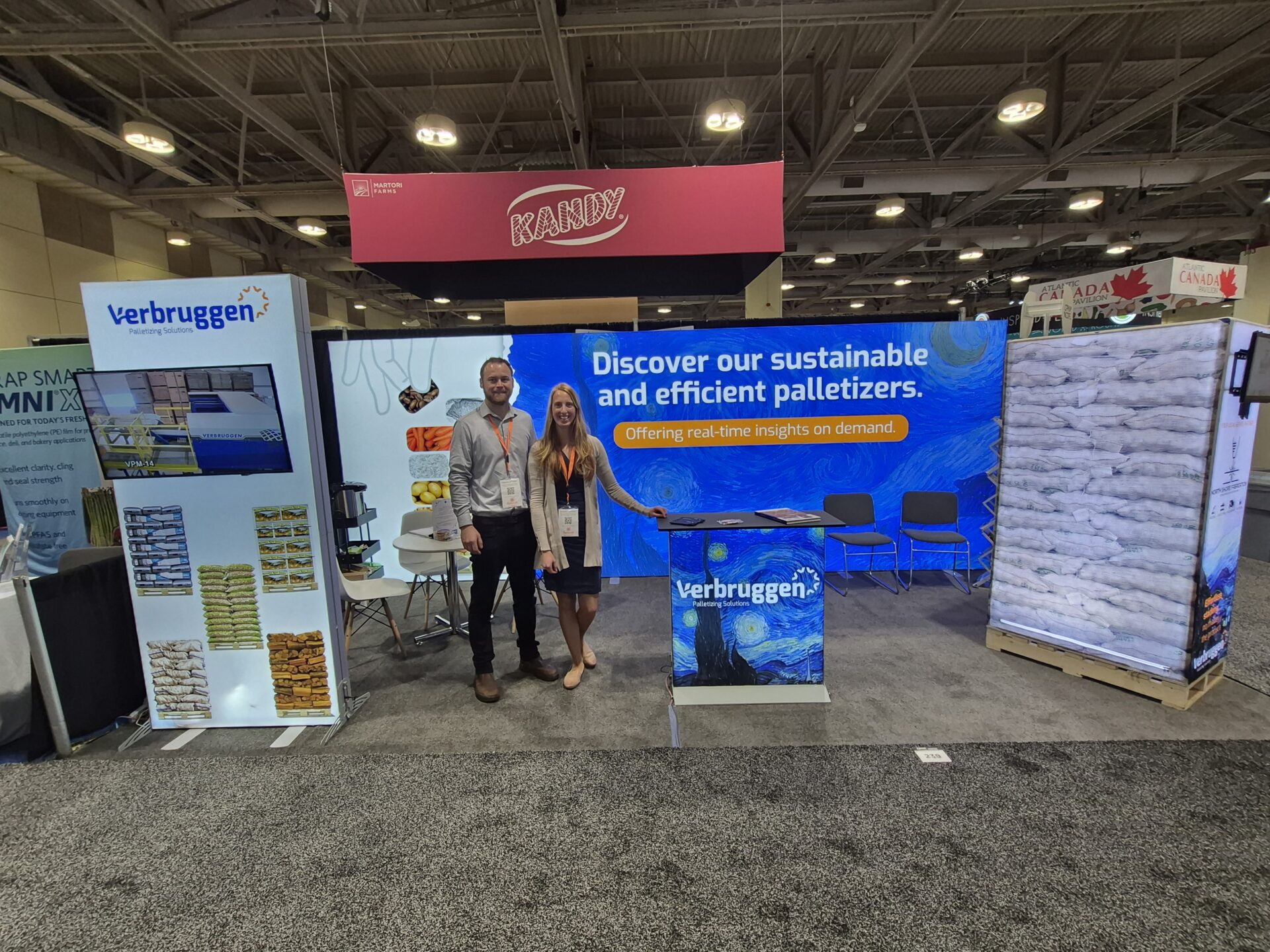
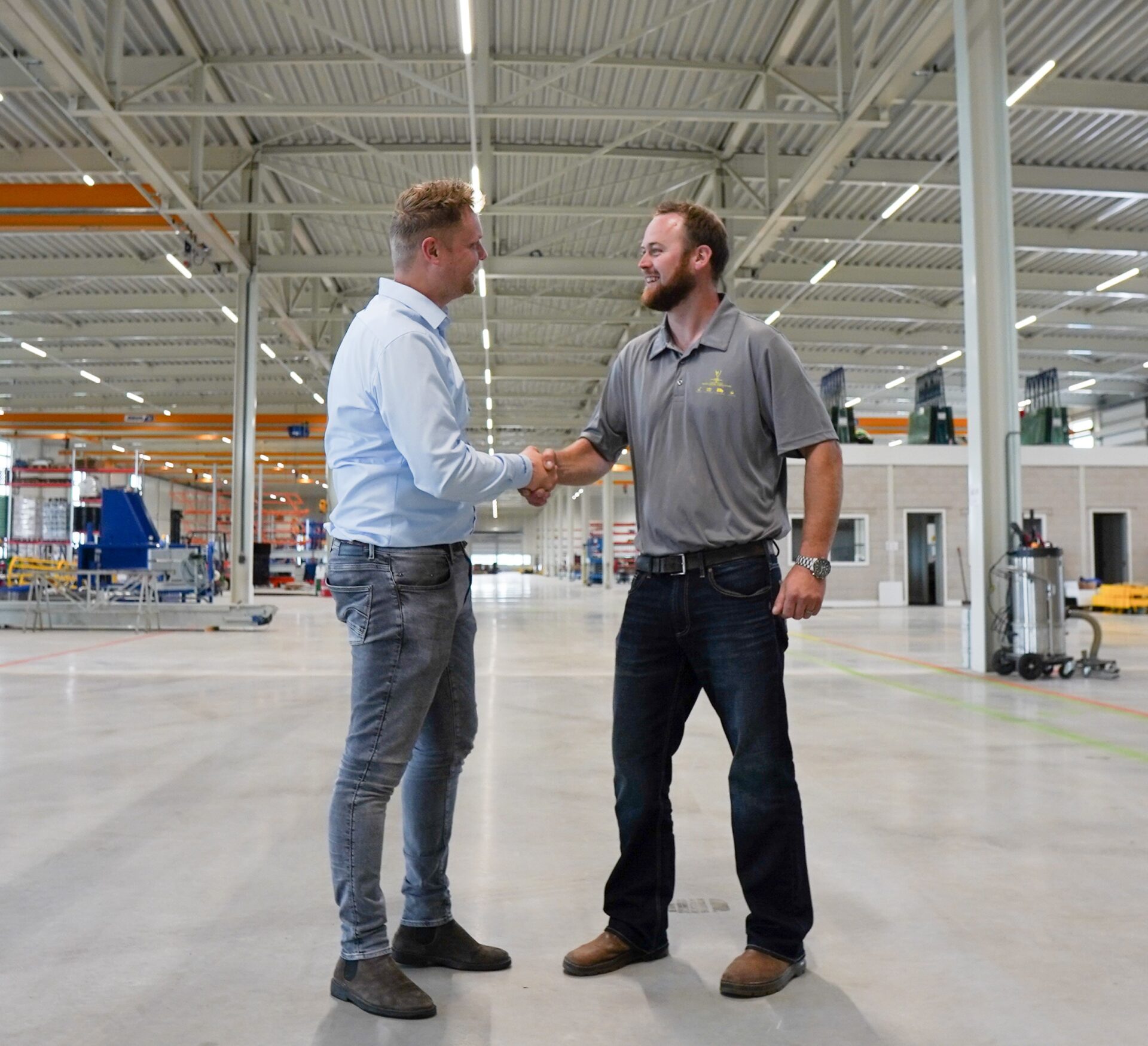
In April 2025, Verbruggen made it official and approached me with an invitation to collaborate directly as a certified Service Partner. I didn’t hesitate. I knew right away that this collaboration wasn’t only a great step for Verbruggen, it could also play a key role in the future growth of North Shore Fabrication.
What confirmed the decision went beyond the machines themselves. These are robust, well-built systems designed for real industrial conditions, the engineering speaks for itself. But what truly sealed it was the company behind the equipment. Verbruggen is a second-generation family business, and that comes through in everything they do: the straightforwardness, the genuine commitment to the customer, the honesty about what will and won’t work, and the fact that they stay engaged long after commissioning. I felt like we were two family-rooted businesses, built on the same values, now working together on the same problem from opposite ends of the line.
The combination works because each side brings something the other can’t fully replace. Verbruggen brings over 30 years of palletizing engineering, a proven product line, and the ability to design a system for almost any product, bags, boxes, crates, difficult shapes, dusty environments, cold storage. What North Shore brings is proximity, relationships, and fabrication capability. I can be on-site quickly. I know the local building codes, the climate conditions, how floors are laid out in older Maritime facilities. When a customer needs a minor structural modification or a custom infeed conveyor to marry the Verbruggen system to their existing line, we can fabricate that in-house.
As a concrete example: we worked with a regional agricultural processor who had been palletizing bags manually for years. Their team was doing the work of a machine, and the physical toll was showing. Due to labor shortages they were struggling to retain people for that role. After installing a Verbruggen system suited to their product and line speed, the change was immediate. Their output became consistent around the clock, their stack quality improved to the point where they were getting no shipping complaints, and they were able to reassign their people to roles that required skill and judgment rather than repetitive physical strain. And critically, when there was an early adjustment needed during commissioning, I was there within hours. That’s the difference local support makes.
Start with an honest assessment of your current situation, not just the labourcost, but the full picture. Look at your injury records, your turnover in those roles, your stack consistency, your throughput ceiling, and the overall operational impact. Once you do that honestly, the business case usually becomes clear on its own. Our customers experience fewer forklift movements, a safer and more organized packing facility, increased pallet capacity that helps reduce storage and transportation costs, and machine-stacked pallets that look significantly better,helping them attract more business.
Then, don’t let the perceived complexity of automation stop you from having the conversation. Modern palletizing systems are far more adaptable than people assume. You don’t need a greenfield facility or a massive capital project. A good partner will come to your site, look at what you actually have, and design something that works within your constraints. Verbruggen palletizers are built with a modular design and, in most cases, can be easily integrated into existing packing facilities, even where space is limited. This makes them highly adaptable to a wide range of packhouse layouts and operational requirements.
And finally, choose your partners carefully. The machine matters, but the relationship matters just as much. When something needs attention at 10 p.m. before a major shipping day, you want to know that someone is going to pick up the phone. That’s what we’re here for at North Shore Fabrication, and it’s what makes this partnership with Verbruggen something I’m genuinely proud to be part of.
The new Verbruggen topframe is the result of years of development, extensive testing and close cooperation between engineering, production and service...
Verbruggen Palletizing Solutions has expanded its portfolio with three new machines: V-Weigh, V-Load, and V-Pack. Together with Verbruggen’s well-know...
Unplanned downtime is one of the biggest frustrations in production environments. Especially for companies operating 24/7, every minute counts. To opt...
Verbruggen Palletizing Solutions has introduced a new, internationally aligned naming structure for its complete machine portfolio. The familiar VPM m...